Èròjà oníjẹ̀-ńlá

Àwọn èròjà oníjẹ̀-ńlá tí ó yẹ kí a fiyè sí lórí oúnjẹ tí ó dá lórí ewéko

8 àwọn ìtọ́sọ́nà pẹ̀lú àwọn ìwọ̀n ìtọ́kasí, àwọn tábìlì orísun oúnjẹ tí o lè tó lẹ́sẹẹsẹ, àwọn àkíyèsí gbígba, ìtọ́sọ́nà àfikún àti àwọn ìdánwò ẹ̀jẹ̀ tí ó sọ ohun kan fún ọ lóòótọ́.

Idahun iyara

Oúnjẹ tí ó dá lórí ewéko tí a ṣètò dáradára ń bópin fún ohun gbogbo tí ara nílò láti inú oúnjẹ. Àwọn méjì tí ó nílò ìpinnu lóòótọ́ ni vitamin B12 (àfikún, nígbà gbogbo) àti iodine (iyọ̀ tí ó ní iodine tàbí àfikún). Amuaradagba, irin, kálísíọ̀mù, sinki, omega-3 àti vitamin D jẹ́ ohun tí a lè rí gbà láti inú oúnjẹ, pẹ̀lú àfiyèsí sí àwọn ìpín àti gbígba.

Amuaradara
Protein Ajewee

Amuaradara

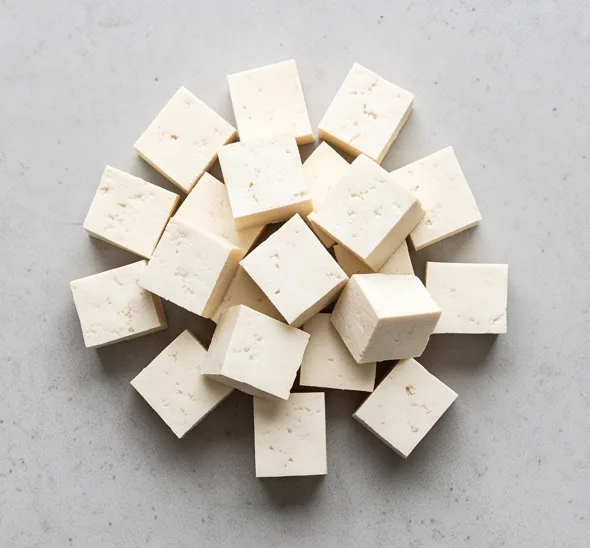
Ọpọlọpọ awọn agbalagba nilo nipa 0.8 g ti protein fun kg ti iwuwo ara fun ọjọ kan, ati awọn eniyan ti o gbé erù tabi ti o kọṣẹ ṣe daradara lori 1.2–1.6 g/kg. Awọn ẹfọ, awọn ounjẹ soy, seitan, eso, irugbin ati awọn ọkà odidi bo iyẹn ni itunu: 100 g ti tempeh, ife lentil kan ati 200 g ti tofu nikan jẹ isunmọ 60 g. O ko nilo lati darapọ awọn protein ni ounjẹ kọọkan — jijẹ oniruuru awọn protein ọgbin jakejado ọjọ pese gbogbo amino acids pataki.

Ka ìtọ́sọ́nà náà →
Fítámínì B12
Fítámínì B12

Fítámínì B12

Gbogbo oní-wẹ̀gán gbọ́dọ̀ ní orísun B12 tó ṣeé gbẹ́kẹ̀ lé: fún àwọn àgbàlagbà tó ní ìlera, àfikún cyanocobalamin ojúmọ́ tàbí ó kéré jù 2,000 mcg ní ọ̀sẹ̀ kọ̀ọ̀kan, tàbí àwọn oúnjẹ tí a fi nǹkan kún ní ẹ̀ẹ̀mejì tàbí ẹ̀ẹ́mẹ́ta lójoojúmọ́ tí ó jẹ́ àpapọ̀ ó kéré jù 3 mcg. Ṣàyẹ̀wò àmì-ìwé náà dáadáa. Kò sí oúnjẹ ọ̀gbìn tí a kò fi nǹkan kún tó ṣeé gbẹ́kẹ̀ lé. Àìsí nǹkan lè gba ọdún díẹ̀ kí ó tó hàn, àti pé àwọn ìbàjẹ́ nǹkan ara kan lè wà títí láé.

Ka ìtọ́sọ́nà náà →
Iron
Iron

Iron

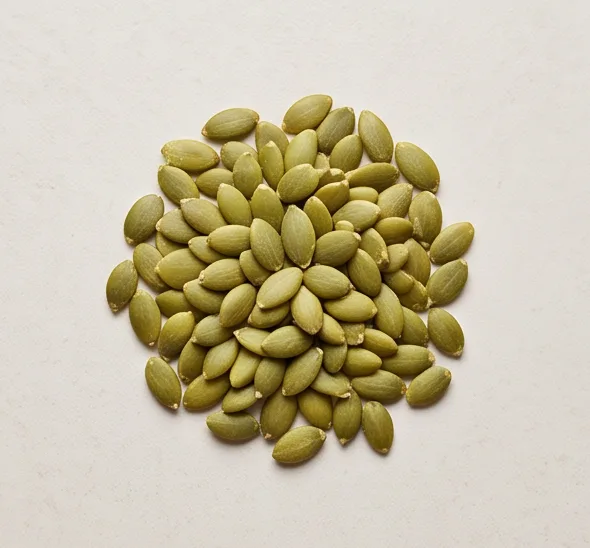
Àwọn oúnjẹ ọ̀gbìn ń pèsè iron non-haem, tí a ń gbà ní nǹkan bí 2–20% dá lórí ohun mìíràn tó wà nínú oúnjẹ náà, nítorí náà àwọn ìlànà kan ń fi àfojúsùn vegan sí nǹkan bí ìlọ́po 1.8 ti RDA tí a mọ̀. Lentils, tofu, irugbin pumpkin, tempeh, ewébẹ́ dúdú àti àwọn cereals tí a fi eroǵi kún ni wọ́n ń ṣiṣẹ́ pàtàkì. Pípapọ̀ wọn pẹ̀lú vitamin C — ata, citrus, tomati — lè mú kí gbigbà pọ̀ sí i ní ìlọ́po púpọ̀, nígbà tí tii, kofi àti calcium supplements tí a bá jẹ pẹ̀lú oúnjẹ náà ń dín gbigbà kù.

Ka ìtọ́sọ́nà náà →
Kálísíọ̀mù

Kálísíọ̀mù

Àwọn àgbàlagbà nílò nǹkan bí 700–1,000 mg kálísíọ̀mù lójoojúmọ́, àwọn ajẹ́wẹ́wẹ́ sì lè gbà á láti inú wàrà ọ̀gbìn tí a fi kálísíọ̀mù kún (nǹkan bí 300 mg nínú 250 ml), tófù tí a fi kálísíọ̀mù ṣe, àwọn ewédò tí kò ní oxalate púpọ̀ bí ewédò kale àti bok choy, tahini, almondi àti ẹ̀wà funfun. Gbígba kálísíọ̀mù láti inú ewédò tí kò ní oxalate púpọ̀ jẹ́ nǹkan bí 50–60%, tí ó ga ju ti wàrà lọ. Ìlera egungun tún gbára lé Vitamin D, amuaradagba, potasiomu àti eré ìdárayá tí ń gbé ewu, kì í ṣe kálísíọ̀mù nìkan.

Ka ìtọ́sọ́nà náà →
Omega-3
Omega-3

Omega-3

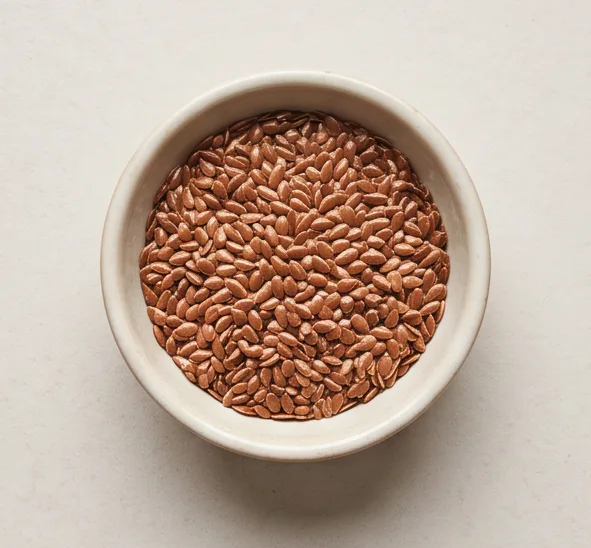
Ground flaxseed, chia tàbí ẹ̀kù ọwọ́ kan péré ti walnuts lè bo ìwọ̀n ALA tí US sọ pé ó tọ́, èyí tó jẹ́ 1.1–1.6 g/day. Ìyípadà ALA sí EPA àti DHA lókè àti pé ó yàtọ̀. Algal oil máa ń pèsè àwọn wọ̀nyí tààràtà; EFSA ṣètò ìwọ̀n 250 mg EPA+DHA lójoojúmọ́ fún àgbàlagbà, dípò àwọn ìwọ̀n díẹ̀ láàárín ọ̀sẹ̀. Ṣàyẹ̀wò àwọn iye tó wà nínú rẹ̀ lórí aami rẹ̀.

Ka ìtọ́sọ́nà náà →
Fídín D

Fídín D

Vitamin D wá láti inú ìmọ́lẹ̀ oòrùn, àwọn oúnjẹ kan, àti àfikún oúnjẹ. Ní UK, NHS gbani nímọ̀ràn pé àwọn àgbàlagbà kí ó ṣàyẹ̀wò 400 IU (10 mcg) lójoojúmọ́ ní ìgbà ìwọ́wé àti ìgbà òtútù, àti ní gbogbo ọdún fún àwọn ẹgbẹ́ tí ó wà nínú ewu gíga. RDA ti US jẹ́ 600 IU títí di ọmọ ọdún 70 àti 800 IU lẹ́yìn náà. Vegan D2 àti D3 tí ó wá láti inú lichen méjèèjì ni ó ń ṣiṣẹ́; D3 sábàá ń mú kí ìwọ̀n rẹ̀ pọ̀ nínú ẹ̀jẹ̀ dáadáa.

Ka ìtọ́sọ́nà náà →
Zinc
Zinc

Zinc

Gbígbà zinc láti inú oúnjẹ ọ̀gbìn dín kù nítorí phytates, nítorí náà àwọn ìgbìmọ̀ kan dámọ̀ràn pé kí àwọn ẹlẹ́gbẹ́ ẹran gbìyànjú láti jẹ tó ìlọ́po 1.5 ti RDA ti 11 mg fún ọkùnrin àti 8 mg fún obìnrin. Eso igbá, eso hemp, cashews, lentils, chickpeas, tofu, tempeh, oats àti búrẹ́dì alikama jíjẹ ni àwọn orísun pàtàkì. Sísá, gbígbìn àti fífún búrẹ́dì pẹ̀lú sourdough máa ń fọ́ phytates lulẹ̀, tí wọ́n sì ń mú kí gbígbà zinc pọ̀ sí i lọ́nà tó ṣe àkíyèsí.

Ka ìtọ́sọ́nà náà →
Iodine

Iodine

Awọn agbalagba nilo nipa 150 mcg ti iodine lojoojumọ, ati awọn vegans laisi iyọ iodised, afikun tabi ewe okun nigbagbogbo kuna. Awọn ọna ailewu julọ ni iyọ iodised tabi afikun 150 mcg. Kelp jẹ yiyan ti ko dara nitori akoonu iodine rẹ yatọ pupọ laarin awọn ipele ati pe iṣẹ kan ṣoṣo le ṣe ifijiṣẹ ẹgbẹẹgbẹrun micrograms — to lati da iṣẹ tairodu lẹwọn.

Ka ìtọ́sọ́nà náà →
Awọn ibeere ti awọn eniyan n beere

Ṣe o le kọ iṣan lori ounjẹ ajewee?

Bẹẹni. Awọn idanwo aileto ti o ṣe afiwe soy tabi pea protein pẹlu whey ninu awọn eniyan ti o kọṣẹ ri awọn anfani deede ni agbara ati iṣan tinrin nigbati gbogbo protein ati leucine ba baramu. Atunse iṣe ni ifojusi si oke iwọn 1.4–1.7 g/kg.

Ṣe o le gba B12 lati awọn ohun ọgbin?

Ko gbẹkẹle. B12 wa lati awọn kokoro arun; awọn itọpa ti a rii lori awọn eso ti a ko wẹ tabi ninu awọn ounjẹ fermented ko ni ibamu ati nigbagbogbo jẹ afọwọṣe aiṣiṣẹ. Awọn ounjẹ ti a fi agbara mu ati awọn afikun nikan ni awọn orisun ajẹwe ti o gbẹkẹle.

Ṣé àwọn vegans lè ní anaemia púpọ̀ sí i?

Àwọn ẹni tí kì í jẹ ẹran (vegans àti vegetarians) sábà máa ń ní ìpamọ́ irin tó kéré, ṣùgbọ́n ìwọ̀n àìní ẹ̀jẹ̀ (anaemia) yàtọ̀ láàárín àwọn ìwádìí àti àwọn olùgbé. Nǹkan oṣù, oyún àti ìwọ̀n oúnjẹ tó kéré máa ń mú ewu pọ̀ sí i; wá àyẹ̀wò bí àwọn àmì àìsàn tàbí àwọn ohun tó lè fa ewu bá fi hàn pé o ní àìtó irin.

Ṣé àwọn ajẹ́wẹ́wẹ́ ní egungun tí ó lẹẹ?

Ìwádìí EPIC-Oxford ti 2020 rí ewu ìfọ́ egungun tó ga jù láàárín àwọn vegans, èyí tó jẹ́ pé ìwọ̀n calcium, amuaradagba àti BMI ló fa apá kan rẹ̀ ṣùgbọ́n kì í ṣe gbogbo rẹ̀. Ní ìwọ̀n calcium àti vitamin D tó yẹ, ní amuaradagba àti eré ìmárale tó tó, kí o sì jíròrò ewu ìfọ́ egungun tirẹ̀ pẹ̀lú oníṣègùn.

Ṣe awọn ajẹfẹ́fẹ́ nilo lati mu epo ewe?

Ko ṣe pataki ni pataki fun awọn agbalagba ti o ni ilera, ṣugbọn o jẹ ọna olowo poku lati pa aafo ti o le wọn. O di imọran ti o lagbara ni oyun, fifun ọmọ lẹnu ati ọjọ ori agbalagba.

Ṣé fídín D2 tó fún àwọn ajewébì?

Ó ṣiṣẹ́, àti pé ó jẹ́ ohun tí ọ̀pọ̀ oúnjẹ tí a fi fídín D pọ̀ ń lò. D3 láti inú lichen ń mú ipele ẹ̀jẹ̀ dúró síbẹ̀ lọ́nà tó dúró ṣinṣin, nítorí náà ó jẹ́ yíyàn àkọ́kọ́ tí ó bá wà.

Ṣé àwọn ẹlẹ́gbẹ́ ẹran ní àìtó zinc?

Àwọn tó ń jẹ ewébẹ̀ àti àwọn vegan lè ní iye zinc díẹ̀ nínú oúnjẹ tàbí nínú ẹ̀jẹ̀ nítorí pé phytate ń dín bí ara ṣe ń gba zinc kù. Fi àwọn oúnjẹ tí ó ní zinc púpọ̀ sínú oúnjẹ rẹ, lo ọ̀nà ìṣe oúnjẹ tó yẹ, kí o sì wá ìrànwọ́ tí iye rẹ̀ tàbí àmì kan bá ṣàníyàn.

Ṣe awọn vegans nilo afikun iodine?

Tí oúnjẹ rẹ kò bá pèsè ayódìín tó wà nínú rẹ̀ dáadáa, lílo ohun àfikún tó ní ìwọ̀n tó yẹ jẹ́ ọ̀nà tó wúlò. Àwọn àgbàlagbà máa ń lo 150 mcg/day; jíròrò ọ̀rọ̀ oyún, àrùn thyroid àti àwọn ọ̀nà mìíràn tó o ti ń rí ayódìín pẹ̀lú dókítà.

Ìsọfúnni: NIH Office of Dietary Supplements, EFSA, USDA FoodData Central · Ominira lati tun lo labẹ CC BY 4.0 pẹlu ọna asopọ pada.

Nutrition without the noise

The five nutrients that need attention — and the ones that never did

Plant-based nutrition is unusually well studied and unusually badly reported. A short list of nutrients genuinely requires planning. Most of the rest of the conversation is marketing residue.

Vitamin B12 is the one non-negotiable

B12 is made by microorganisms; animal foods obtain it through diets, microbial pathways or supplementation. A vegan diet needs a reliable direct source: fortified foods or an appropriate supplement, commonly 50 µg daily or 2,000 µg weekly for adult prevention. Deficiency can cause irreversible neurological damage. Serum B12 is commonly the first test, with MMA useful when results are borderline; treatment and children’s doses differ.

Iron: absorption matters more than intake

Plant foods supply non-haem iron, which is absorbed less efficiently but is also better regulated by the body. Vitamin C taken with the meal can multiply absorption several-fold, while tea, coffee and calcium supplements taken at the same time suppress it. Practical consequence: lentils with tomato and a squeeze of lemon, coffee an hour later. Plant-based eaters typically show comparable or higher iron intake with lower ferritin — which, within the normal range, is not itself a problem.

Omega-3: conversion is real but inefficient

ALA from flax, chia, walnuts and rapeseed converts to EPA and DHA at low and variable rates. An algae-derived EPA/DHA supplement of roughly 250 mg per day removes the uncertainty and is the same original source the fish obtains it from. This is a reasonable-precaution nutrient rather than an emergency one.

Iodine, calcium, vitamin D and zinc

Iodine intake in plant-based diets depends almost entirely on iodised salt, fortified plant milk or a supplement; seaweed is potent but wildly variable and easy to overdose. Calcium needs are met with fortified plant milks, tofu set with calcium, tahini, almonds and low-oxalate greens such as kale and bok choy. Vitamin D is a latitude and sunlight question for everyone, not a plant-based one. Zinc requires a modest amount of extra attention because of phytates, which soaking, sprouting and fermenting reduce.

Protein is not on this list

It is worth stating plainly: in every large cohort of plant-based eaters in high-income countries, average protein intake meets or exceeds requirement. Protein deficiency in this context is essentially a disease of insufficient calories, not of plant sources.

Nutrient targets and reliable plant sources

Adult targets; requirements differ in pregnancy, lactation, childhood and older age.

NutrientTypical adult targetReliable plant sourcesAttention level
Vitamin B1225–100 µg/day or 1,000–2,000 µg/weekSupplement, fortified foodsEssential
Iodine150 µg/dayIodised salt, fortified milk, supplementHigh
Vitamin D600–800 IU/day when sun is limitedSunlight, fortified foods, D2/lichen D3High
Omega-3 EPA/DHA~250 mg/dayAlgae oil; ALA from flax, chia, walnutsModerate
Iron8 mg (men) / 18 mg (menstruating women)Lentils, tofu, pumpkin seeds + vitamin CModerate
Calcium1,000 mg/dayFortified milks, calcium-set tofu, kale, tahiniModerate
Zinc8–11 mg/dayLegumes, seeds, oats, wholegrainsLow–moderate
Protein0.8–1.2 g/kg/dayLegumes, soy, seitan, grains, nutsLow

EFSA · NIH Office of Dietary Supplements · Academy of Nutrition and Dietetics

A sane supplementation and testing routine

Nutrition planning should take about ten minutes a month, not become a hobby.

  1. 1

    Set B12 first

    Choose one delivery method and automate it — a weekly high dose is easier to remember than a daily low one for many people.

  2. 2

    Check your salt

    If your household salt is not iodised and you drink unfortified plant milk, iodine is your likely gap.

  3. 3

    Add algae omega-3 if diet is low in ALA

    Or eat a tablespoon of ground flax daily and accept the conversion uncertainty.

  4. 4

    Pair iron with vitamin C

    Structural habit, not supplementation: citrus, peppers or tomato in the same meal as legumes.

  5. 5

    Test at 12 months, not 12 weeks

    Discuss tests with a clinician based on symptoms, diet and risk factors. B12 and ferritin may be useful; vitamin D and thyroid tests are not routine requirements for every vegan. Do not delay assessment if deficiency is suspected.

Good practice and common errors

Worth doing

  • Treat B12 as mandatory regardless of how varied the diet is.
  • Use fortified plant milks rather than unfortified artisan versions as the daily default.
  • Soak or sprout legumes and grains where practical to reduce phytate.
  • Ask for methylmalonic acid if B12 status is genuinely in question.

Worth avoiding

  • Relying on seaweed, spirulina, tempeh or unwashed produce as a B12 source — they are inactive analogues or unreliable.
  • Taking large kelp doses for iodine; excess is as harmful as deficiency.
  • Drinking tea or coffee with iron-rich meals as a routine.
  • Buying multivitamins with iron unless a blood test indicates a need.

Nutrient questions people actually ask

Do I have to supplement anything?

B12 yes, essentially always. Vitamin D during low-sunlight months applies to most of the population regardless of diet. Iodine and algae-based omega-3 are sensible for many people depending on salt and diet composition.

Is soy safe to eat daily?

Yes. Human evidence shows no adverse hormonal effect at ordinary intakes, and moderate soy consumption is associated with lower cardiovascular risk and, in cohort data, lower breast-cancer recurrence.

Can I get enough calcium without dairy?

Yes, with fortified plant milk, calcium-set tofu, tahini and low-oxalate greens. Absorption from kale and bok choy is actually higher than from milk; spinach is the exception because of oxalate.

Should I worry about iron on a plant-based diet?

Monitor rather than worry. Intake is usually adequate; menstruating women are the group most likely to need attention, exactly as they are on omnivorous diets.

Are protein powders necessary?

No. They are a convenience for people with high requirements or low appetite, not a nutritional requirement.

What single blood test is most useful?

Ask a clinician which tests are appropriate. Serum B12 is usually the starting point, with MMA useful for a borderline result; ferritin and vitamin D testing depend on symptoms and risk factors.

Sources

  • Academy of Nutrition and Dietetics (2025). Vegetarian Dietary Patterns for Adults. J Acad Nutr Diet.
  • NIH Office of Dietary Supplements — B12, iron, iodine, calcium, zinc fact sheets.
  • EFSA Panel on Dietetic Products — dietary reference values.
  • Rizzo, G. et al. (2016). Vitamin B12 among vegetarians. Nutrients.