What we stand against

Inside the animal industries.

Most people have never set foot inside a modern animal farm. This page is a plain-language tour of dairy, eggs, pigs, broiler chickens, fish, veal and animal-derived materials. No shock tactics — just documented practices, welfare concerns and their scale.

By the numbers

80B+
Land animals killed per year for food
FAOSTAT
1.1–2.2T
Wild fish caught yearly (2000–2019 average estimate)
Fishcount.org.uk
99%
Estimated share of US farmed land animals on factory farms
Sentience Institute, 2019
79B
Chickens slaughtered yearly worldwide
FAOSTAT 2024
Dairy cows
Dairy

Dairy cows

~270 million dairy cows worldwide
01

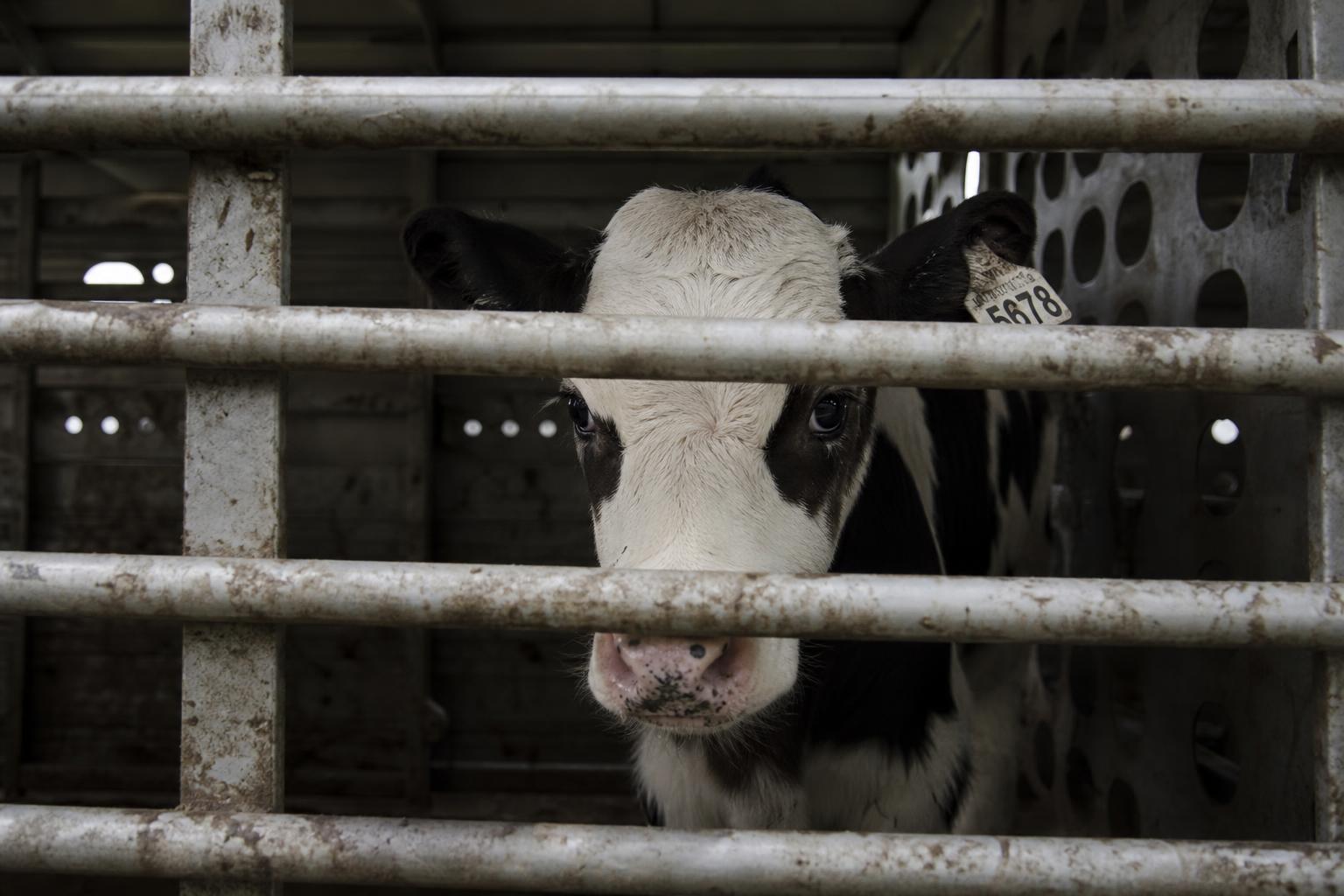
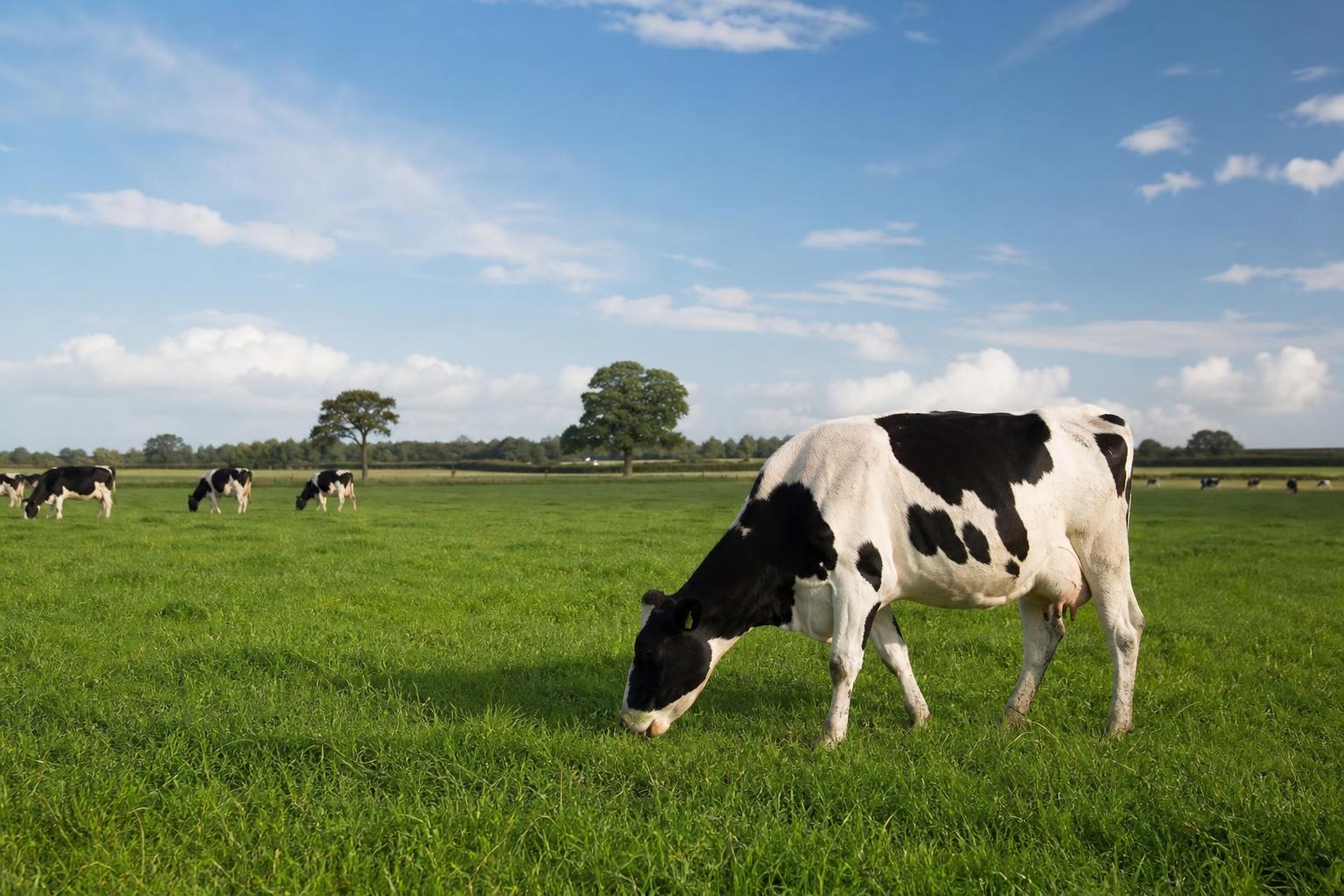
Dairy cows are bred repeatedly to maintain milk production. On many commercial farms, calves are separated within hours or days. Male calves may be raised for beef or veal, or killed young. Dairy cows are often slaughtered at 4–6 years, although cattle can live around 20 years.

Standard industry practices

  • ·Repeated breeding, often by artificial insemination
  • ·Calf separation often within 24 hours on commercial dairy farms
  • ·Disbudding and dehorning; pain relief varies by country and farm
  • ·Slaughter at 4–6 years (natural lifespan: ~20)
Sources

Laying hens
Eggs

Laying hens

~7.5 billion laying hens worldwide
02

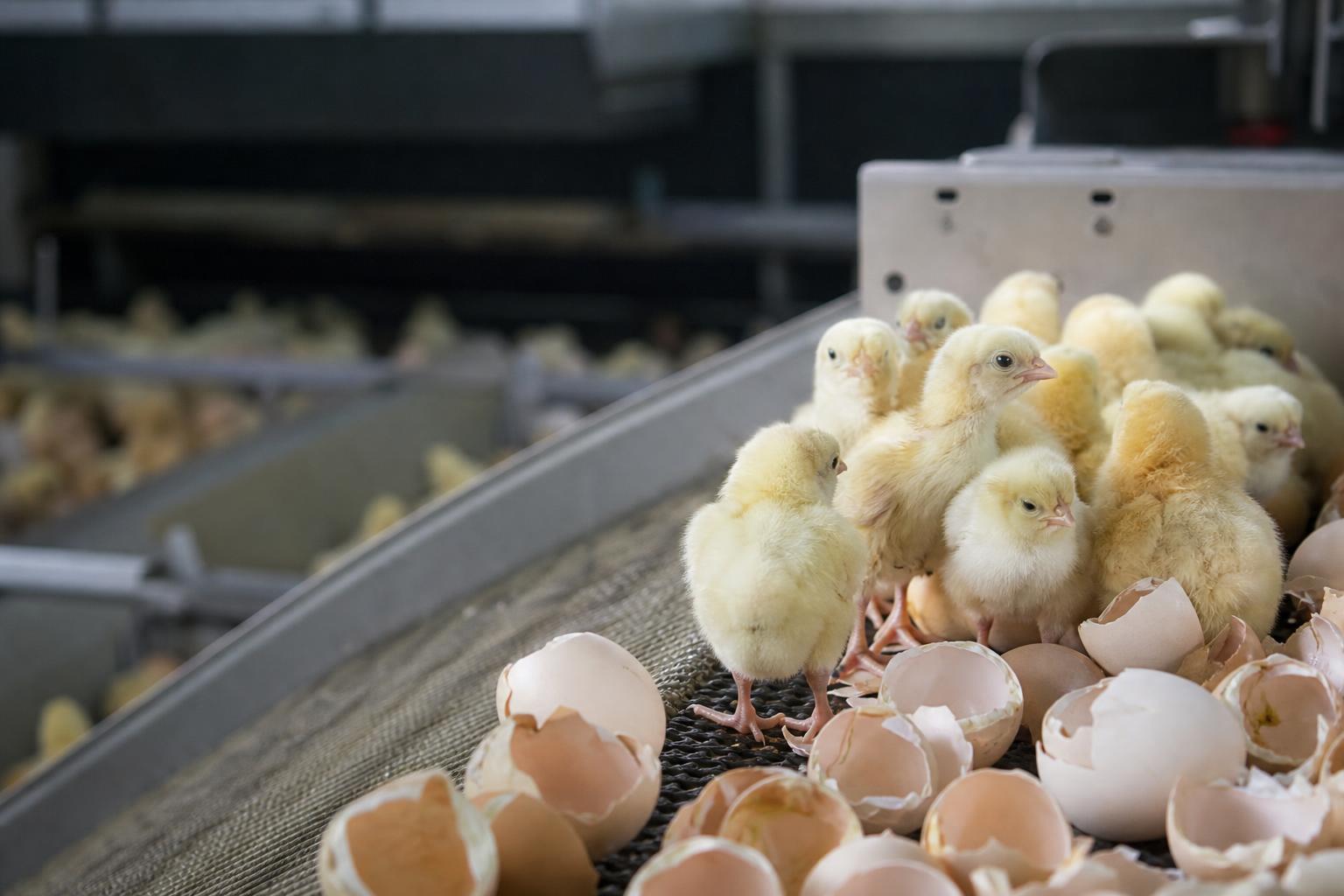
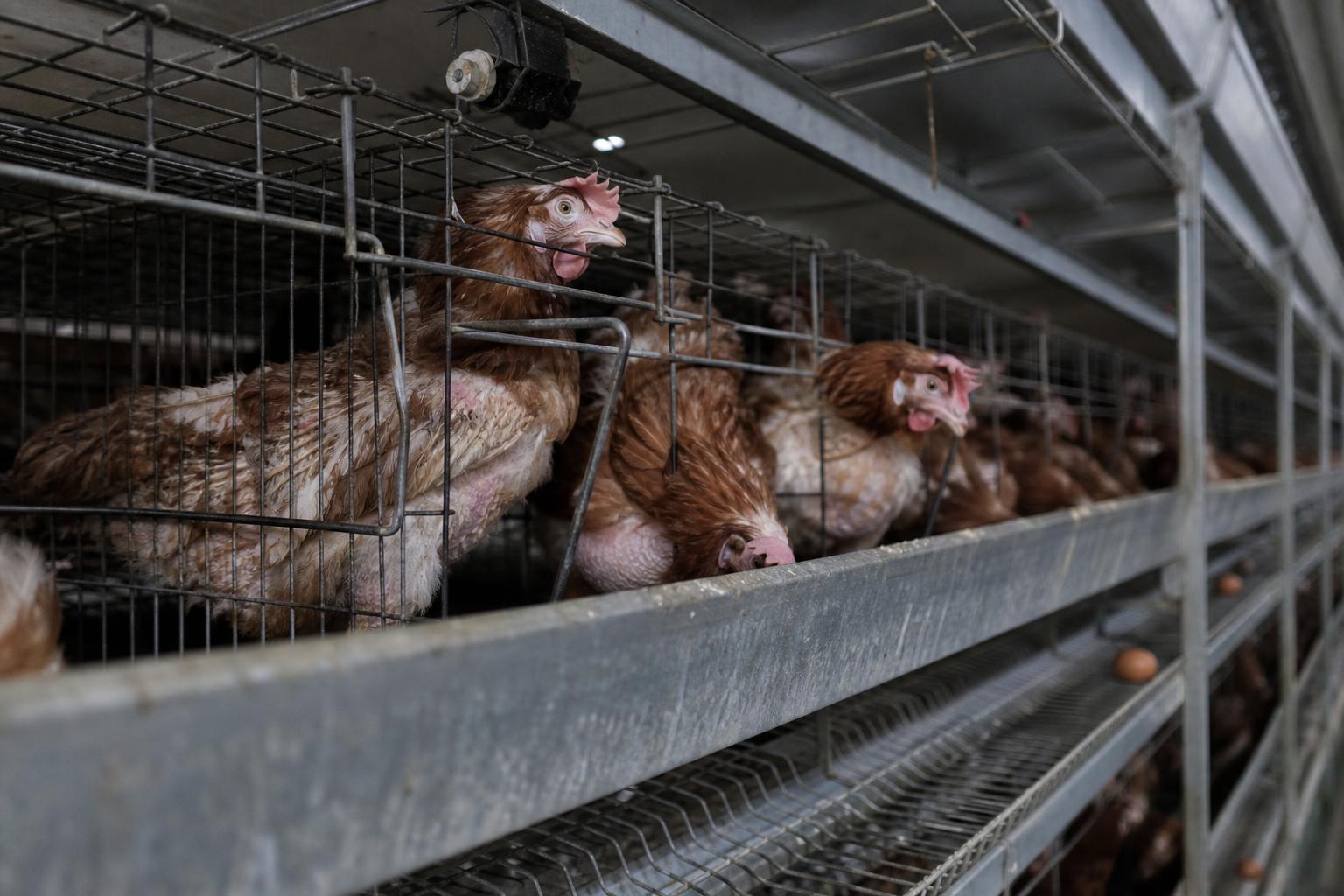
Modern laying hens have been selectively bred to produce ~300 eggs per year. Many live in cages or crowded sheds; space allowances vary by system and country. Male chicks of laying breeds are commonly killed soon after hatching, by maceration or gas, though some countries restrict culling and use alternatives.

Standard industry practices

  • ·Day-old male chick culling, with bans and alternatives in some countries
  • ·Beak-trimming with hot blade or infrared
  • ·Battery or 'enriched' cages still legal in most of the world
  • ·Slaughter commonly around 72 weeks or later, depending on production cycle

Sources

Pigs
Pigs

Pigs

~1.5 billion pigs slaughtered per year
03

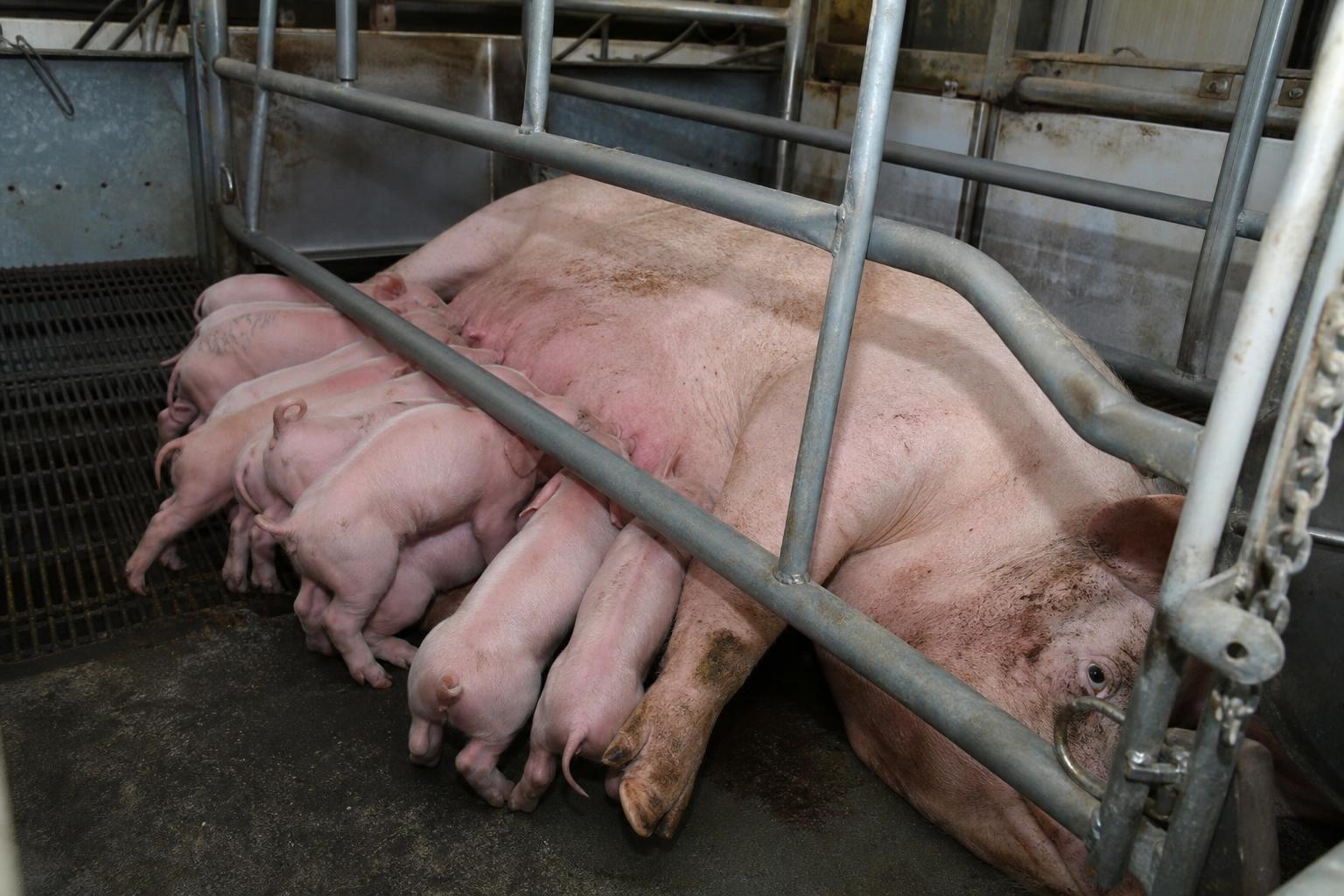
Pigs learn complex tasks and form social relationships. In intensive systems, they are often housed indoors on concrete or slatted floors. Some systems confine sows in crates that prevent turning around. Piglets may undergo castration, tail-docking and teeth reduction; rules and pain relief vary by country.

Standard industry practices

  • ·Gestation and farrowing crates, subject to country-specific restrictions
  • ·Tail-docking, teeth reduction and castration; pain-relief rules vary
  • ·CO₂ gas stunning — documented to cause acute distress
  • ·Slaughter at ~6 months (natural lifespan: 10–15 years)

Sources

Broiler chickens
Chickens (meat)

Broiler chickens

~79 billion slaughtered per year
04

Fast-growing broiler chickens face increased risks of lameness, heart problems and contact dermatitis. Many reach slaughter weight in 35–42 days, though age varies by breed and market. Intensive flocks typically live on litter inside crowded sheds, where housing and growth rates affect their welfare.

Standard industry practices

  • ·Selective breeding for rapid growth, increasing welfare risks
  • ·EU stocking density can reach 42 kg/m² under specified conditions
  • ·Live-shackle slaughter still common worldwide
  • ·Slaughter at 35–42 days (natural lifespan: 6+ years)

Sources

Fish, shrimp & molluscs
Fish & aquatic

Fish, shrimp & molluscs

1.1–2.2 trillion wild fish caught yearly (2000–2019 average)
05

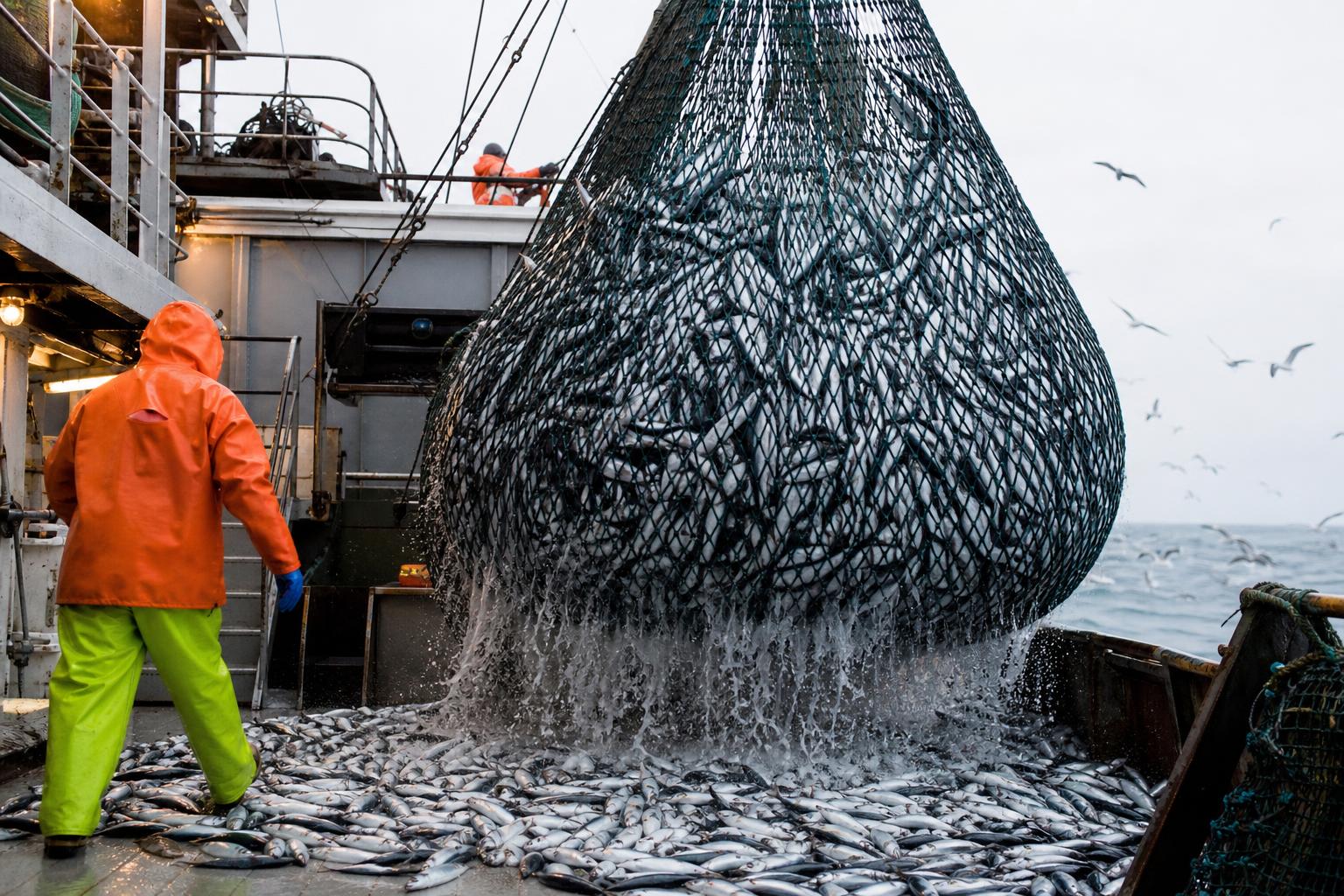
Fish are caught and farmed in enormous numbers, often with limited welfare protection. Many die without stunning, through suffocation or other slow methods. Intensive aquaculture can contribute to disease and pollution; sea lice and escapes are particular concerns for open-net salmon farming.

Standard industry practices

  • ·Asphyxiation, ice slurry and live-gutting are used; methods vary
  • ·Bottom-trawling destroys seabed habitats
  • ·Bycatch harms non-target species; totals depend on definitions
  • ·Aquaculture feed still relies on wild-caught forage fish

Sources

Veal calves
Veal

Veal calves

Veal production uses young calves, many from dairy herds
06

Many veal calves are male calves from dairy herds, separated from their mothers soon after birth. Housing and feeding vary: EU rules generally require group housing after 8 weeks and minimum iron and fibre provision. Low-iron diets for pale veal can still create welfare risks. Slaughter age varies by production system.

Standard industry practices

  • ·Early separation from the mother on many dairy farms
  • ·Individual pens may be used early; EU rules generally require groups after 8 weeks
  • ·Iron-restricted liquid diet to keep flesh pale (white veal)
  • ·Slaughter age varies by veal system (potential lifespan: ~20 years)

Sources

Fur & leather

Fur, leather & wool

Millions of animals are farmed and killed for fur
07

Fur farming keeps mink, foxes and raccoon dogs in cages before slaughter. Leather is generally a co-product of meat production, with hide values varying by market. Wool sheep may undergo painful procedures; mulesing is used on some Australian sheep, not routinely across all wool-producing countries. Sheep are also slaughtered for meat.

Standard industry practices

  • ·Fur: lifelong cage confinement, anal/oral electrocution, gas chambers
  • ·Leather: chromium-based tanning can create hazardous waste and chromium-VI exposure
  • ·Wool: tail-docking and slaughter; mulesing on some Australian farms
  • ·Down & feathers: live-plucking still documented across major suppliers

Sources

These industries only continue because we pay for them.

Every meal is a vote. The good news: the same money, the same fork, the same plate can fund a very different food system.

Key takeaways

  • Dairy, eggs, aquaculture, wool, and leather are all outputs of the same slaughter pipeline.
  • Vertical integration hides most consumers from the reality of production.
  • Certified 'welfare' schemes typically improve one metric while leaving core practices intact.
  • Plant-based and other animal-free alternatives exist across many industries, with price and quality varying by product.

Share this page

Share on XShare on FacebookShare on WhatsApp

Frequently asked questions

Shearing injuries, mulesing (in Australia), and slaughter at a fraction of natural lifespan when yields drop are standard. Wool is a byproduct of the same meat pipeline.

Keep reading

Vegan but not left

Animal rights belong to no party

Why animal rights belong to no party — and what political capture cost the movement.

Continue →

Inside the four systems

The standard practices, not the exceptions

Public argument about farming tends to focus on abuses. The more important fact is that the practices that trouble people most are usually lawful, audited, routine and economically necessary within the system that produces almost all animal products.

Meat: throughput determines everything

Broiler chickens now reach slaughter weight in roughly 35 to 42 days, compared with about 84 days in the 1950s — a growth rate that produces skeletal and cardiovascular disorders as a predictable side effect rather than an accident. Pigs are commonly kept in farrowing crates that prevent turning, and tail docking, teeth clipping and castration are widely performed without anaesthetic. Stocking densities, line speeds and stunning efficacy are all regulated variables, which means the outcomes are choices made at the level of standards rather than by individual workers.

Dairy: lactation requires pregnancy

A dairy cow produces milk after giving birth. Calves are commonly separated early; male calves may be raised for beef or veal or killed young, depending on the system. Repeated calving maintains milk production. High yields can be associated with mastitis and lameness. Cows can live around twenty years but are often culled much earlier.

Eggs: the male chick problem

Laying hens and meat chickens are different genetic lines, so male chicks of laying breeds have no commercial value and are killed on the first day, historically by maceration or gassing — several billion each year worldwide. In-ovo sexing technology now avoids this in a growing number of countries and is a genuine, measurable improvement. Cage-free systems reduce confinement while introducing their own welfare trade-offs in air quality and mortality.

Fishing and aquaculture: the largest numbers by far

Between one and three trillion aquatic animals are killed for food annually — the widest uncertainty in the entire food system, because fish are measured in tonnes rather than individuals. Trawling damages seabed habitat, bycatch discards remain substantial, and roughly 35% of assessed stocks are fished beyond biological sustainability. Aquaculture, often presented as the solution, frequently depends on wild-caught feed fish, with a net protein loss for carnivorous species.

Why reform inside the system is hard

Margins in commodity animal agriculture are thin and set by processors and retailers. Individual farmers rarely control stocking density, breed genetics or slaughter age; those are dictated by contracts and buyer specifications. This is why welfare campaigns increasingly target retailers and processors rather than farms — that is where the specification is actually written.

The four industries in numbers

Global figures, most recent available years; national practice varies.

IndustryAnimals per yearTypical lifespan vs naturalDefining practice
Broiler chicken~75 billion6 weeks vs 6–8 yearsSelected for 40-day growth
Egg laying~7.5 billion hens18 months vs 6–8 yearsMale chicks killed at day one
Pig~1.5 billion6 months vs 15–20 yearsFarrowing crates, early weaning
Dairy~270 million cows4–6 years vs ~20 yearsAnnual calving, calf separation
Beef~300 million18–24 months vs ~20 yearsFeedlot finishing
Wild capture0.8–2.3 trillion fishn/aTrawling, bycatch, asphyxiation
Aquaculture~50–170 billion fishVariesWild feed inputs, density disease

FAOSTAT · FAO State of World Fisheries and Aquaculture · fishcount.org.uk

Verifying any of this yourself

Every claim above is checkable in public documents. That is the point.

  1. 1

    Read a breed performance manual

    Broiler genetics companies publish target growth curves openly. They are the clearest single description of how the system works.

  2. 2

    Check your national welfare code

    Legal minimum space, mutilation permissions and slaughter rules are published statutory documents in most countries.

  3. 3

    Look at FAOSTAT production data

    Head-count and tonnage data are free, downloadable and difficult to spin.

  4. 4

    Read an industry trade publication

    Trade press describes practices plainly to a professional audience, without the framing used for consumers.

  5. 5

    Compare a marketing image with a stocking-density figure

    The gap between the two is the most informative thing in the entire sector.

Claims that hold and claims that do not

Well supported

  • 99% of US farmed animals and roughly 90% globally live in intensive systems.
  • Male layer chicks are killed at hatching wherever in-ovo sexing is not in use.
  • Dairy production requires annual pregnancy and calf removal.
  • About a third of assessed fish stocks are exploited beyond sustainable limits.

Overstated or wrong

  • Claims that all farm workers are cruel — the outcomes are systemic and specified upstream.
  • Claims that animal agriculture is over half of global emissions; credible estimates are roughly 12–20%.
  • Undated undercover footage presented as current practice at a named company.
  • Claims that no welfare improvement has ever occurred; cage bans and in-ovo sexing are real gains.

Questions about the industries

Isn't this only about factory farms?

Factory farming is widespread: estimates suggest about 99% of US farmed animals and roughly 74% of global farmed land animals. The global estimate is uncertain, and definitions vary. Pasture-based production also exists.

Do free-range and organic labels solve this?

They improve specific conditions and are meaningfully better on several measures. They do not change calf separation, male chick culling, slaughter age or the underlying economics.

What share of emissions does livestock cause?

Credible estimates cluster around 12–20% of global greenhouse gas emissions depending on accounting method, plus a dominant role in deforestation, land use and freshwater eutrophication.

How reliable are the fish numbers?

Poorly constrained by design — catch is recorded in tonnes, so individual counts are estimates from mean body weights. The range of one to three trillion reflects genuine measurement uncertainty.

Are farmers to blame?

Farmers operate inside contracts, breed specifications and price structures they largely do not set. Meaningful reform therefore targets retailers, processors, subsidies and procurement rules.

Has anything actually improved?

Yes. EU battery-cage and sow-stall restrictions, in-ovo sexing to end male chick culling in several countries, and improved stunning requirements are documented improvements — narrow, real, and far short of resolving the core practices.

Sources

  • FAOSTAT — Production: Livestock Primary.
  • FAO (2024). The State of World Fisheries and Aquaculture.
  • Sanders, B. Global animal slaughter statistics and charts — Faunalytics.
  • Poore & Nemecek (2018). Science.