Behind every number, a someone

Who they are.

Numbers numb. Names don't. Before talking about industries and tonnes and emissions, meet the animals themselves — what science has learned about their cognition, their social lives, and the gap between the lives they could have and the ones they get.

Bos taurus

Cows

Curious, social animals with strong mother–calf bonds.

01
Cows

Cognition & emotion

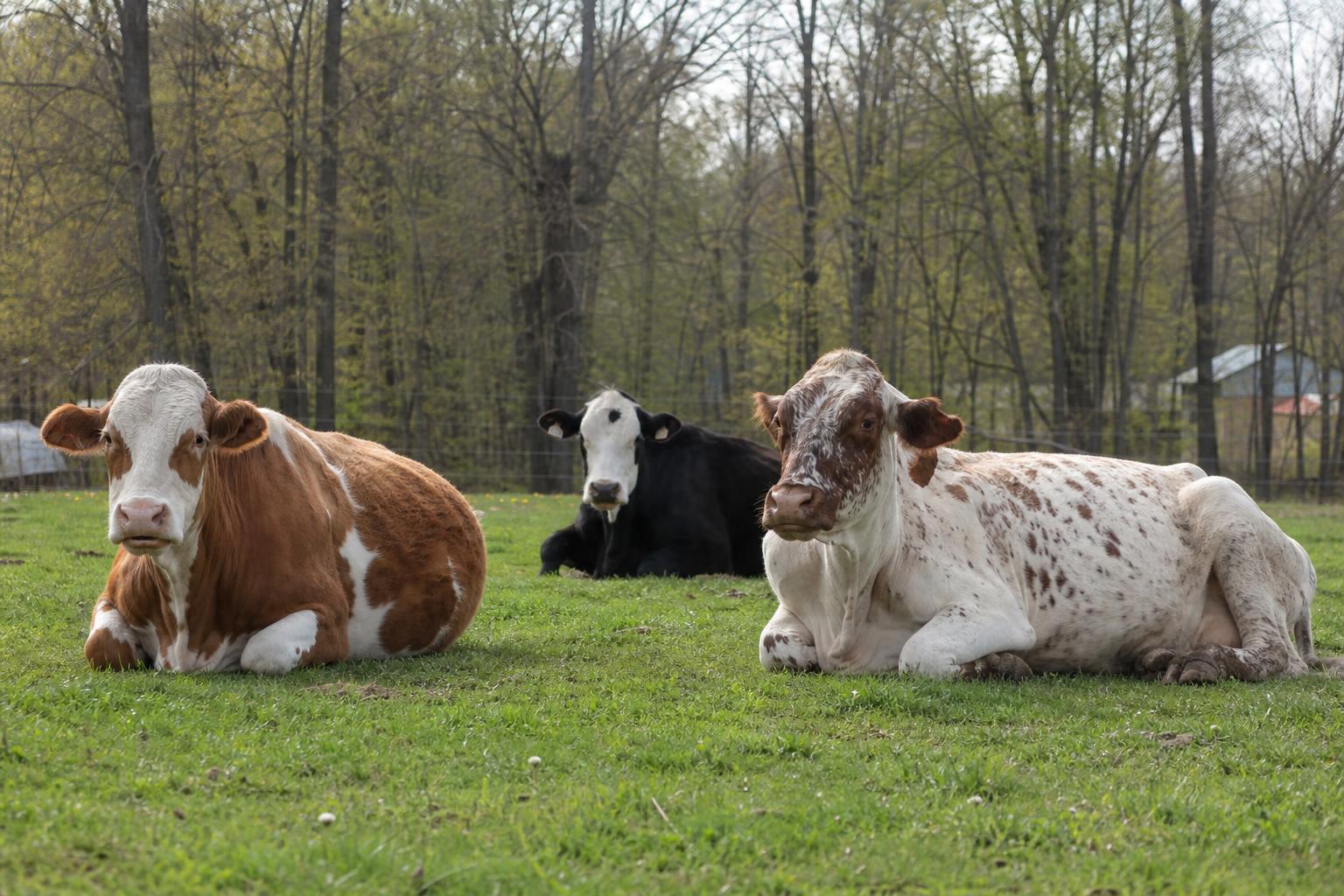
Cattle showed increased heart rate and activity when learning to solve a problem — sometimes called a 'eureka' response. They can distinguish individual cattle and humans using visual cues.

Social life

Form preferred social relationships and show distress when separated. Mothers and calves may call repeatedly after separation.

Lifespan

Natural~20 years
RealityOften 4–6 years (dairy) · beef slaughter ages vary by system

What we do instead

Dairy cows are bred repeatedly; calves are often removed within hours or days. Male dairy calves may be raised for beef or veal, or killed young.

Surprising fact

Cows have best friends. Heart rate drops measurably when paired with their preferred companion.
Sources

Sus scrofa domesticus

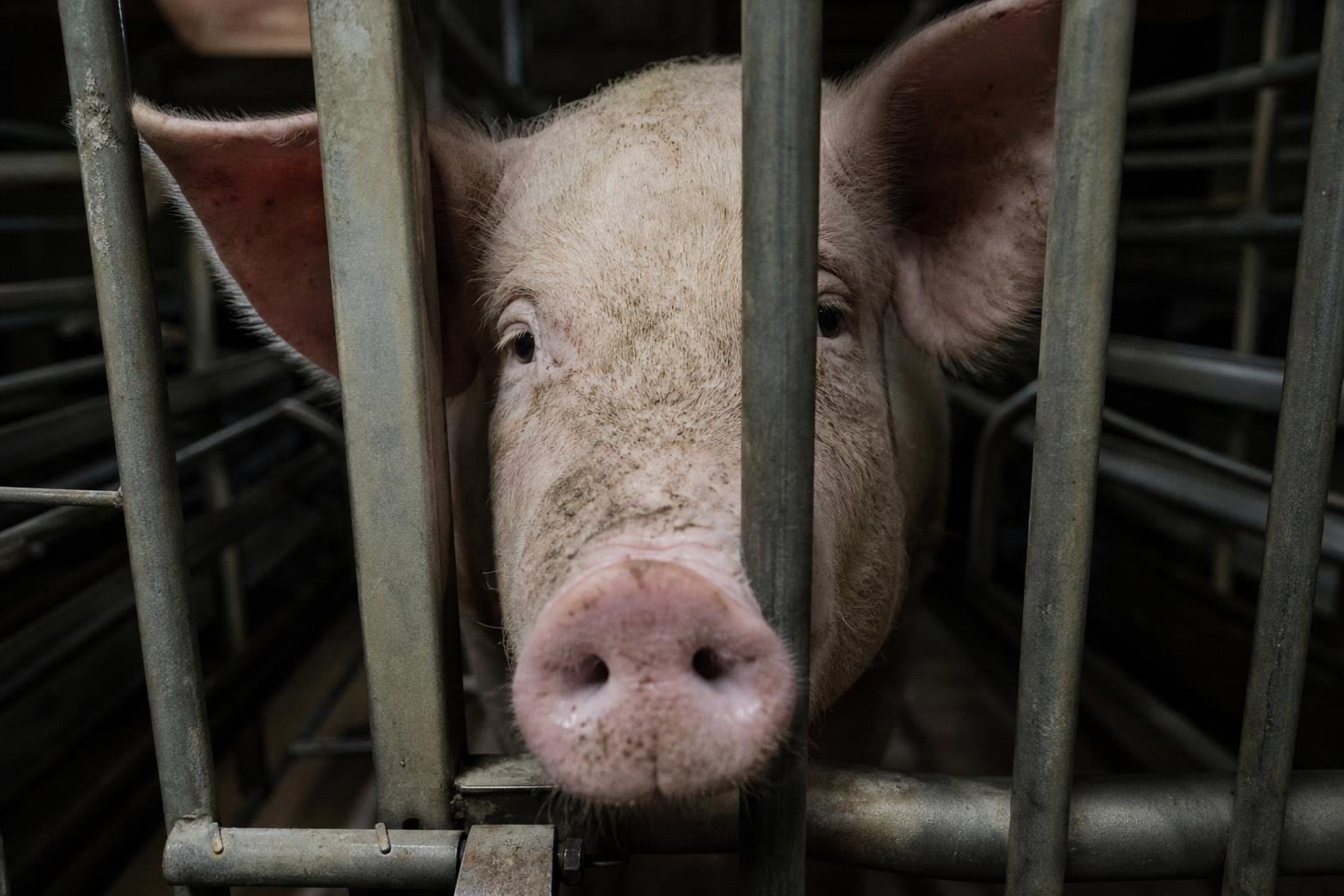
Pigs

Curious, intelligent animals with complex social lives.

02
Pigs

Cognition & emotion

Pigs can learn mirror-based tasks and use joysticks to move a cursor toward targets on a screen. Their learning abilities are studied through tasks adapted to their senses and behaviour.

Social life

Pigs form social groups, recognise familiar individuals and use varied calls in different situations.

Lifespan

Natural10–15 years
Reality5–6 months

What we do instead

Some systems confine mother pigs in crates that prevent turning around. Piglets may be castrated, tail-docked or teeth-trimmed; restrictions and pain relief vary by country.

Surprising fact

Pigs can learn to steer a cursor with a joystick to hit targets on a screen — a video-game task once tested mainly on primates.

Sources

Gallus gallus domesticus

Chickens

Self-control, basic arithmetic, and a vocabulary of 30+ calls.

03
Chickens

Cognition & emotion

Chickens can delay gratification for a bigger reward, count small quantities, and learn by observing other chickens.

Social life

Hens cluck to unhatched chicks; chicks answer from inside the egg. Roosters offer food to favoured hens with a special call.

Lifespan

Natural6–10 years
Reality35–42 days (broiler) · 72 weeks (laying)

What we do instead

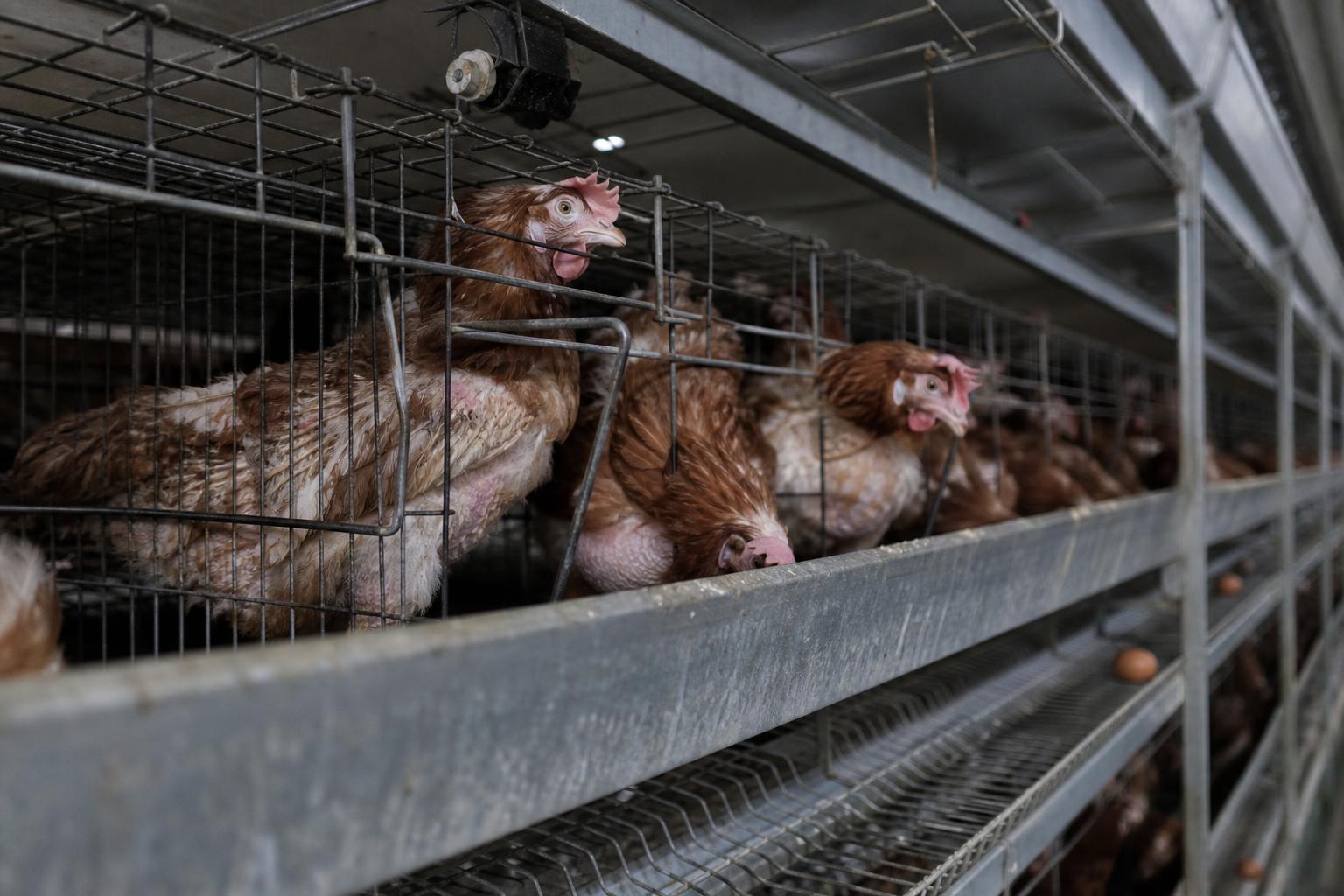
Fast-growing broilers face increased risks of leg problems. Male chicks of laying breeds are commonly killed soon after hatching, though some countries restrict this practice and use alternatives.

Surprising fact

Chickens have four types of colour-sensitive cones and can detect wavelengths beyond the human visual range.

Sources

All finfish + shrimp

Fish

Pain receptors, long memories, and cooperative hunting.

04
Fish

Cognition & emotion

Fish use tools (wrasses break shells on rocks), recognise individual humans, and remember escape routes for months.

Social life

Cleaner fish maintain relationships with client fish. Some fish species form long-term pair bonds.

Lifespan

NaturalVaries — many species 10–50+ years
RealitySlaughter age varies widely by farmed species; wild fish are caught at many ages

What we do instead

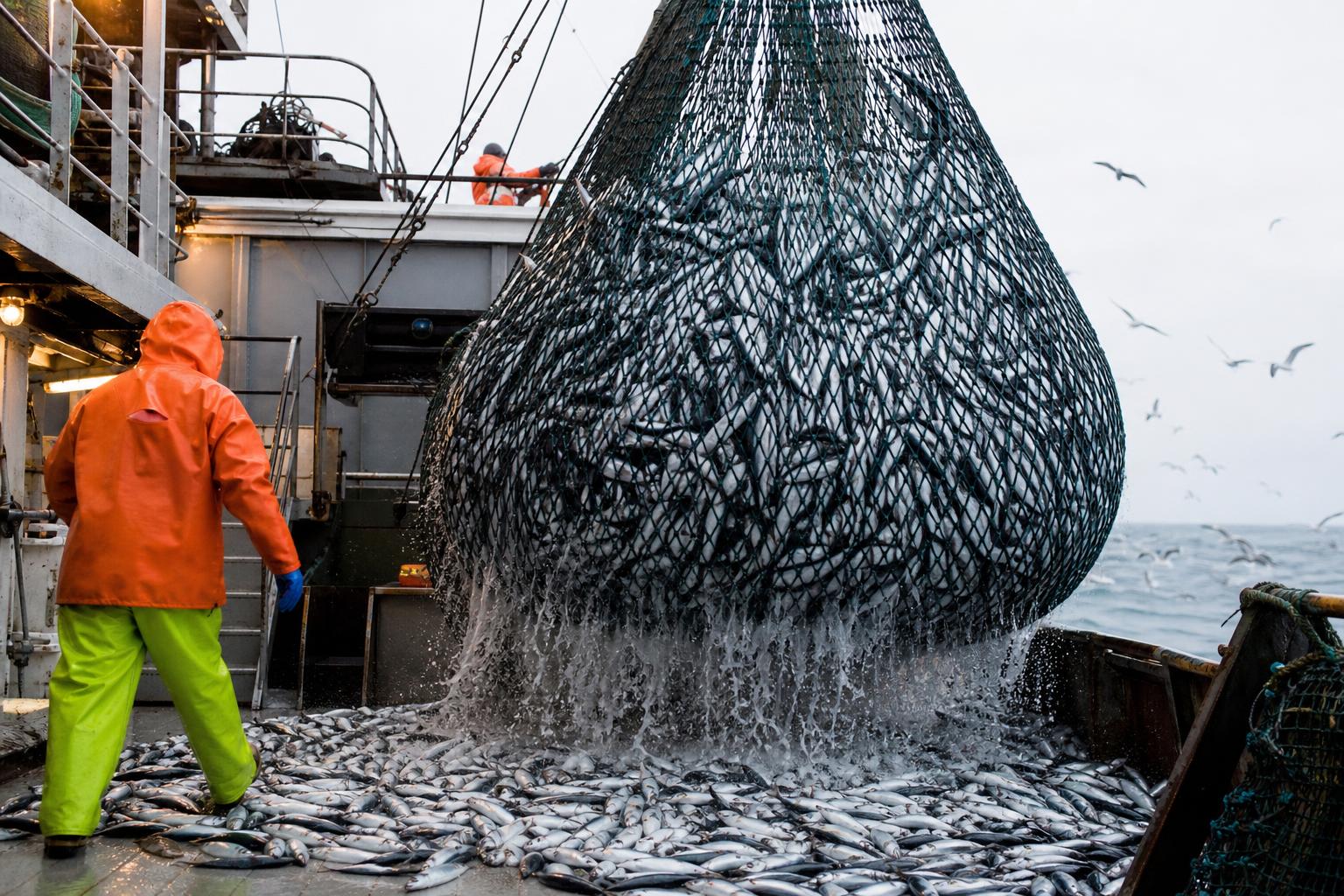
Many fish die without stunning, through suffocation, crushing in nets or other slow methods. Bycatch also harms non-target species.

Surprising fact

Fish have nociceptors and pain-modulating systems. Behavioural and physiological evidence supports their capacity to feel pain.

Sources

Ovis aries

Sheep

Face-readers, problem-solvers, and devoted to family lines.

05
Sheep

Cognition & emotion

Sheep can remember 50 individual sheep faces for over two years. They can also learn to recognise human faces and solve spatial tasks.

Social life

Sheep form social groups and prefer familiar flock-mates. Isolation from the flock can cause distress.

Lifespan

Natural10–12 years
RealityLambs slaughtered before 1 year · adult sheep ages vary by system

What we do instead

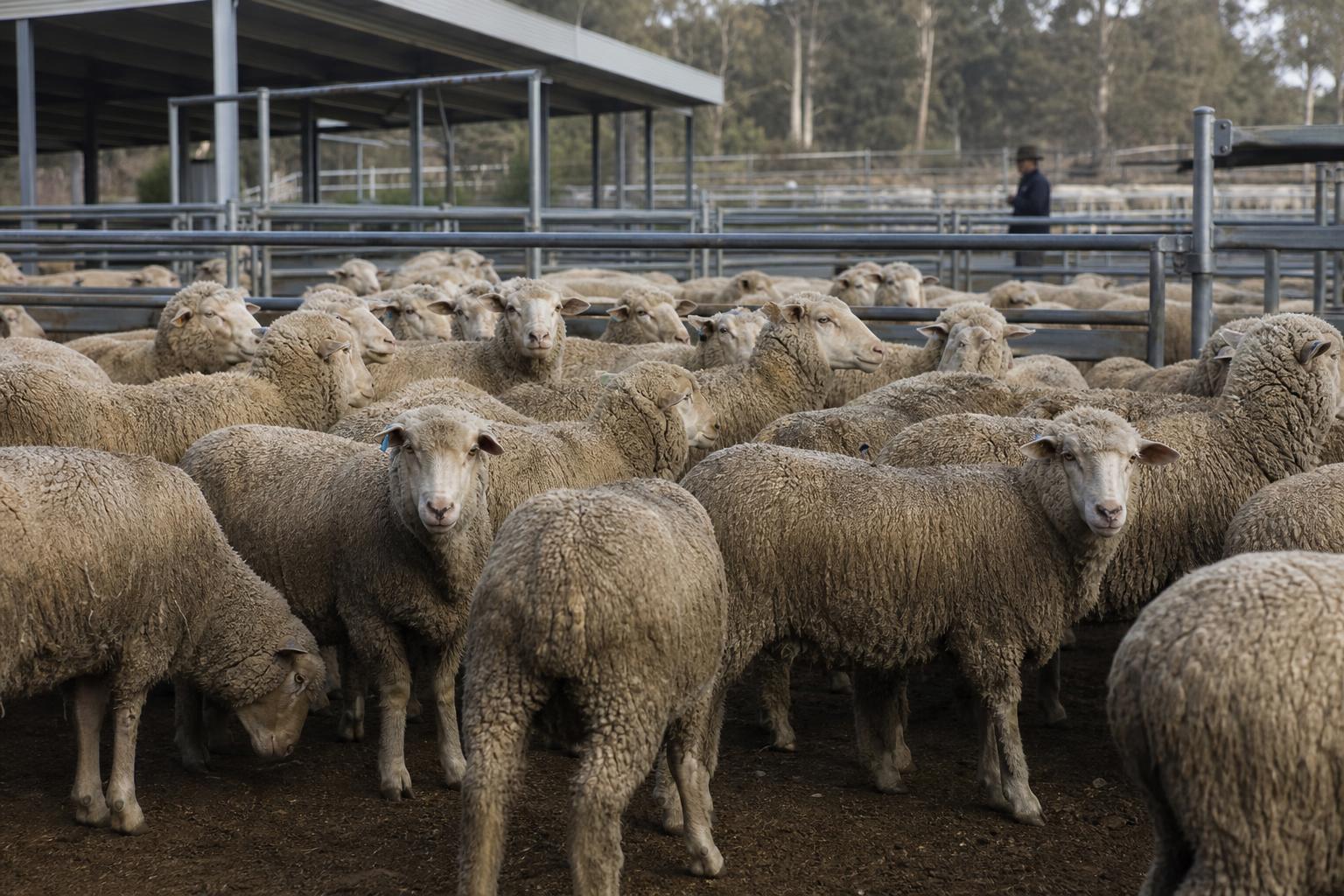
Lambs may be tail-docked or castrated, with pain relief varying by country and method. Mulesing — cutting away skin around the breech — is used on some Australian sheep.

Surprising fact

Sheep have rectangular pupils and a wide field of vision. They can learn to recognise individual human faces in photographs.

Sources

Meleagris gallopavo

Turkeys

Social flock-living birds bred for rapid growth.

06

Cognition & emotion

Turkeys explore their surroundings, forage and respond to social and environmental cues. Farmed birds need opportunities to perform these behaviours.

Social life

Live in matriarchal flocks; mothers teach poults what to eat and which predators to fear. Make over 20 distinct vocalisations.

Lifespan

Natural~10 years
RealityOften 15–22 weeks in EU meat production

What we do instead

Fast-growing commercial turkey breeding commonly uses artificial insemination. Beak and toe trimming are used in some systems and can cause pain; practices vary.

Surprising fact

The bare skin on turkeys’ heads and necks can change colour with arousal. Colours also vary with sex and breeding condition.

Sources

Octopoda

Octopuses

Tool-using, problem-solving minds with eight flexible arms.

07

Cognition & emotion

Octopuses can solve learning tasks, manipulate objects and navigate mazes. Some have been observed carrying coconut shells for use as portable shelters.

Social life

Many species are largely solitary but show individual behavioural differences. Experiments suggest octopuses can distinguish between individual humans.

Lifespan

Natural1–5 years (most species)
RealityWild-caught at various ages; the proposed Las Palmas farm was withdrawn in 2026

What we do instead

Wild-caught octopuses may be killed by clubbing, cutting or asphyxiation, raising welfare concerns. Nueva Pescanova withdrew its proposed Las Palmas farm in 2026; it had aimed to produce up to 1 million octopuses annually.

Surprising fact

Two-thirds of an octopus's neurons are in its arms — each arm can taste, decide, and act semi-independently of the central brain.

Sources

If we wouldn't do it to a dog, why a pig?

The line between 'pet' and 'food' is geography, habit, and marketing — not biology, intelligence, or capacity to suffer.

Key takeaways

  • Cows form lifelong social bonds and grieve separation from their calves.
  • Pigs show complex learning and problem-solving, and can use mirrors to locate food.
  • Chickens have distinct personalities, count small numbers, and use referential calls.
  • Fish learn, remember, cooperate, and — evidence now shows — feel pain.

Share this page

Share on XShare on FacebookShare on WhatsApp

Frequently asked questions

Pigs show sophisticated problem-solving, social learning and emotional responses. Comparisons with dogs depend on the task; mirror use to find food does not by itself demonstrate self-recognition.

Keep reading

What the science says about who they are

Cognition, sentience and the animals in the food system

The question of what farmed animals experience is no longer speculative. There is a substantial comparative-cognition literature, and it consistently finds more than the industries that use these animals find convenient.

Sentience is now a legal as well as scientific finding

The 2012 Cambridge Declaration on Consciousness concluded that the neurological substrates of conscious experience are not unique to humans and are present in mammals, birds and other animals including octopuses. The UK's Animal Welfare (Sentience) Act 2022 extended formal recognition to decapod crustaceans and cephalopods following a systematic review of the evidence. The EU has recognised animals as sentient beings in treaty law since 1997.

Pigs

Pigs perform comparably to dogs and in some tasks to young children on tests of operant learning, spatial memory and object discrimination. They can use mirrors to locate hidden food, learn joystick-controlled video tasks, show behavioural indicators of optimism and pessimism depending on housing conditions, and display measurable empathic responses to distress in familiar conspecifics. They are typically slaughtered at around six months of a fifteen- to twenty-year natural lifespan.

Chickens

Chickens demonstrate transitive inference, self-control in delayed-reward tasks, over twenty distinct vocalisations with referential content, and rudimentary numerical discrimination in chicks days after hatching. Hens show physiological stress responses when their chicks are distressed. The stereotype of the stupid chicken is a cultural artefact of how they are kept, not a finding from any literature.

Cows, sheep and goats

Cattle show excitement and measurable heart-rate change on solving a problem — the so-called eureka response — form long-term preferential bonds, and display heightened stress at calf separation lasting days. Sheep recognise and remember dozens of individual faces, both ovine and human, for years and respond to emotional expression in photographs. Goats gaze at humans for help when a task is unsolvable, a behaviour previously thought largely restricted to domesticated companion species.

Fish and invertebrates

Fish possess nociceptors, show conditioned place avoidance after noxious stimuli, self-administer analgesics, and exhibit behavioural fever and tool use in some species. Cleaner wrasse have passed a modified mirror mark test. Octopuses show individual recognition, play, and complex problem-solving. The category 'fish' spans more evolutionary diversity than all land vertebrates combined, so generalisations should be held loosely — but the claim that they do not feel pain is no longer defensible on the current evidence.

Species at a glance

Lifespans are typical natural ranges versus commercial slaughter ages.

SpeciesNatural lifespanSlaughter ageDocumented cognitive findings
Pig15–20 years~6 monthsMirror use, joystick tasks, empathy, optimism bias
Chicken (broiler)6–8 years5–6 weeksTransitive inference, self-control, referential calls
Hen (laying)6–8 years~18 monthsMaternal stress response, numerical discrimination
Cow~20 years18–24 months (beef)Eureka response, social bonds, calf attachment
Dairy cow~20 years4–6 yearsLong-term memory, distress at separation
Sheep10–12 years6–8 monthsFacial recognition of 50+ individuals for years
Salmon (farmed)4–8 years~2 yearsNociception, avoidance learning, stress physiology
Octopus1–2 yearsVariesTool use, play, individual recognition

Comparative cognition literature · Cambridge Declaration on Consciousness (2012) · LSE sentience review (2021)

Assessing sentience claims critically

This field attracts both overstatement and dismissal. A few habits keep you on solid ground.

  1. 1

    Separate nociception from suffering

    Detecting damage and experiencing it are different claims requiring different evidence. Good papers say which they are testing.

  2. 2

    Prefer converging evidence

    Behavioural, physiological, pharmacological and neuroanatomical lines pointing the same way are far stronger than any one alone.

  3. 3

    Watch for anthropomorphic framing

    A headline about a 'pig playing video games' describes a real operant task; the paper is more careful than the coverage.

  4. 4

    Note the replication status

    Some celebrated findings, in this field as in psychology generally, have not replicated cleanly.

  5. 5

    Check who is defining the terms

    Industry-funded welfare science frequently defines welfare as absence of disease and productivity, which excludes most of what the question is about.

Well-established and contested claims

Well established

  • Mammals and birds possess the neurological substrates associated with conscious experience.
  • Fish have nociceptors and show learned avoidance of noxious stimuli.
  • Pigs, cattle, sheep and chickens form individual social recognitions and preferences.
  • Environmental enrichment measurably changes judgement-bias test outcomes.

Contested or overstated

  • Precise IQ-style comparisons between species and human age groups.
  • Claims that insects certainly do or certainly do not suffer — the evidence is genuinely unsettled.
  • Single viral studies presented as consensus before replication.
  • Assuming behavioural similarity to humans is required for moral relevance.

Questions about animal minds

Do fish feel pain?

The weight of evidence says yes in the functional sense that matters: they have nociceptors, show sustained behavioural changes after noxious stimuli, and reduce those changes when given analgesics. A minority of researchers dispute the subjective element, which is by nature harder to establish.

Are pigs really as smart as dogs?

On several standard tasks — spatial memory, operant learning, mirror-guided search — pigs perform comparably or better. Cross-species intelligence comparison is inherently rough, but the general claim is supported.

Does intelligence determine moral relevance?

Most philosophers argue it does not; the capacity to suffer does. Cognitive research matters mainly because it establishes the presence of experience, not because it ranks who deserves consideration.

What about insects and shellfish?

The UK extended legal sentience recognition to decapods and cephalopods in 2022 after a systematic review. For insects the evidence is early and genuinely uncertain, and reasonable researchers disagree.

Isn't this just anthropomorphism?

The risk exists, which is why the field relies on controlled behavioural tasks, physiological measures and pharmacological manipulation rather than observation and intuition. Assuming absence of experience without evidence is an equally strong assumption in the other direction.

Where can I read the primary research?

The Cambridge Declaration on Consciousness (2012), the LSE review of sentience in decapods and cephalopods (2021), and journals such as Animal Cognition and Applied Animal Behaviour Science are the standard entry points.

Sources

  • Low, P. et al. (2012). The Cambridge Declaration on Consciousness.
  • Birch, J. et al. (2021). Review of the Evidence of Sentience in Cephalopod Molluscs and Decapod Crustaceans. LSE.
  • Marino, L. & Colvin, C. (2015). Thinking Pigs: Cognition, Emotion and Personality in Sus domesticus.
  • Sneddon, L. (2015). Pain in aquatic animals. Journal of Experimental Biology.