Tahini
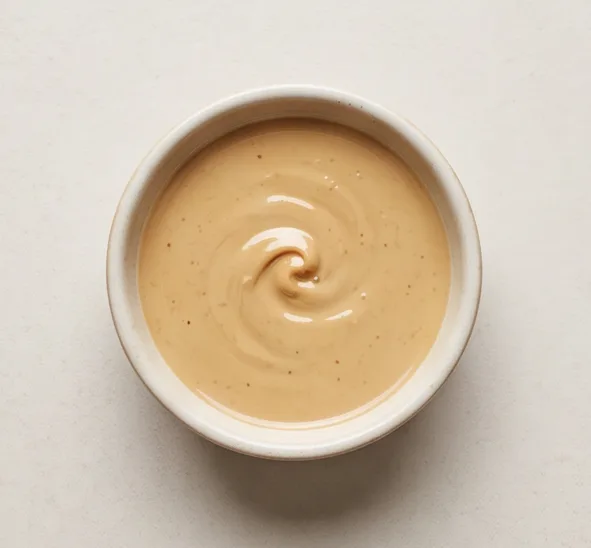
Tahini is sesame paste used in hummus, dressings and sweets. Its texture and bitterness vary with the sesame variety and whether the seeds are hulled.
Nutrition per 100 g
- Calories
- 595
- Protein
- 17 g
- Fat
- 54 g
- Carbs
- 21 g
- Fibre
- 9 g
Why it matters
- →A sesame-based source of fat and flavour
- →Calcium content varies by product
Common uses
Preparation and texture
Stir separated tahini before measuring. Whisk with lemon and water, adding water gradually; it may thicken initially before becoming smooth.
What to check before using it
Sesame is a major food allergen. Do not assume all tahini is equally calcium-rich, and check prepared sauces for dairy or other added ingredients.
Sources and limits
Nutrition figures describe the reference form and are approximate, not a laboratory analysis of your purchase. Variety, water content, processing and fortification can change the result. The sources below explain food composition, safe handling and nutrient guidance; they do not establish that an individual food treats a disease.
Bagaimana Tahini cocok dalam pola makan sehari-hari
The reference portion of Tahini contains 595 kcal, 17 g of protein and 9 g of fibre per 100 g. Read these figures alongside the preparation state shown above: dry grains, cooked pulses and oils are not interchangeable portions. Multiply each figure by the weight you actually eat divided by 100. A food with little protein or fibre can still have a useful culinary role; it should not be described as a substantial source of those nutrients.
The usual uses of Tahini are Hummus, Salad dressing, Halva, Cookies. Choose the portion and preparation for that role rather than assuming every ingredient should be the centre of a meal. For example, herbs season a dish, oils supply concentrated fat, and legumes can contribute protein and fibre. Check the ingredient's own nutrition values and combine it with complementary foods across the day.
Gizi per 100 g, dan apa gunanya setiap baris
| Nutrisi | Per 100 g | Mengapa penting |
|---|---|---|
| Calories | 595 | Kepadatan energi — berguna untuk menilai ukuran porsi terhadap sisa piring. |
| Protein | 17 g | Mendukung perbaikan otot dan rasa kenyang; sebarkan sepanjang hari daripada sekaligus. |
| Fat | 54 g | Membawa vitamin larut lemak dan rasa; jenis lemak lebih penting daripada jumlahnya. |
| Carbs | 21 g | Sumber bahan bakar utama; karbohidrat dari makanan utuh datang dengan serat dan mineral. |
| Fibre | 9 g | Memberi makan bakteri usus, menstabilkan gula darah, dan merupakan nutrisi yang paling kurang dalam kebanyakan diet. |
Membeli dan menyimpan Tahini
- Compare the ingredient list and price for the form you need. A plain version may be useful, but fortified products can provide nutrients that an unfortified version lacks.
- Fresh, frozen, canned and dried products differ in water content, added salt and preparation. Compare nutrition using the same preparation state and a realistic serving, not package weight alone.
- Follow the package's storage instructions. Refrigerate perishable foods promptly; a dry cupboard is not appropriate for every ingredient.
- Buy only an amount you can store safely and use before spoilage. A lower unit price does not save money if part of the food is discarded.
Kesalahan umum
- Comparing dry and cooked weights as if they were equivalent. Water absorbed during cooking changes the nutrients per 100 g.
- Assuming every plant ingredient supplies meaningful protein, iron or fibre. Use the values above and the portion actually eaten.
- Ignoring food allergies, age-appropriate textures or a medical condition when choosing a serving.
- Assuming every ingredient can be eaten raw. Follow preparation instructions, especially for dried beans and foods requiring cooking.
Memasak dengan Tahini
Penggunaan umumnya adalah Hummus, Salad dressing, Halva, Cookies. Masing-masing adalah templat, bukan resep: begitu Anda tahu bagaimana Tahini bereaksi terhadap panas dan garam, Anda bisa menyisipkannya ke dalam makanan yang sudah Anda masak daripada belajar hidangan baru dari awal.
Pertanyaan lain yang sering ditanyakan
Is Tahini a good source of protein?
The reference value is 17 g per 100 g. Whether that makes a meaningful contribution depends on the serving you eat. A small amount used for seasoning or cooking fat is not equivalent to a main serving of beans or tofu. Compare the prepared portion, not just the ingredient name.
How much Tahini should I eat in a day?
There is no universal serving suitable for every ingredient or person. Match the amount to its role, energy density and your overall diet. Allergies, medical conditions, age and preparation matter. A clinician or registered dietitian can advise on individual restrictions.
Is Tahini suitable for children and older adults?
Suitability depends on the ingredient, preparation and person. Consider allergies, swallowing and chewing ability, choking hazards and medical restrictions. Whole nuts and hard pieces may need grinding or another texture adjustment. Do not assume an ingredient is safe or nutrient-dense solely because it is plant-based.
Does cooking change the nutrients in Tahini?
Cooking may reduce some heat-sensitive vitamins while improving digestibility or making a food safe to eat. Water gain or loss also changes the figures per 100 g. Compare nutrition data for the same cooked or uncooked form, and follow safe preparation instructions rather than avoiding cooking to preserve nutrients.
Is Tahini expensive?
Prices vary by region, season, brand and preparation. Compare the cost of the amount you will actually use, including waste and cooking time. An oil, spice or specialty ingredient cannot be judged as a cheap protein source when it supplies little protein in a normal serving.
Jelajahi Lebih Lanjut
Halaman terkait dengan topik ini dalam hal pengganti, bahan, nutrisi, dan hidangan.