01
동물
매년 800억 마리 이상의 육상 동물이 식량을 위해 도살됩니다. 그들 하나하나가 삶의 의지를 가진 개체입니다. 우리는 최소한 그들을 희생시키는 일에 가담하지 않음으로써 그들에게 빚을 갚아야 합니다.
하나의 선택으로 모이는 네 가지 이유. 비거니즘을 지지하는 근거는 단 하나가 아니라, 서로를 강화하는 여러 주장들입니다.
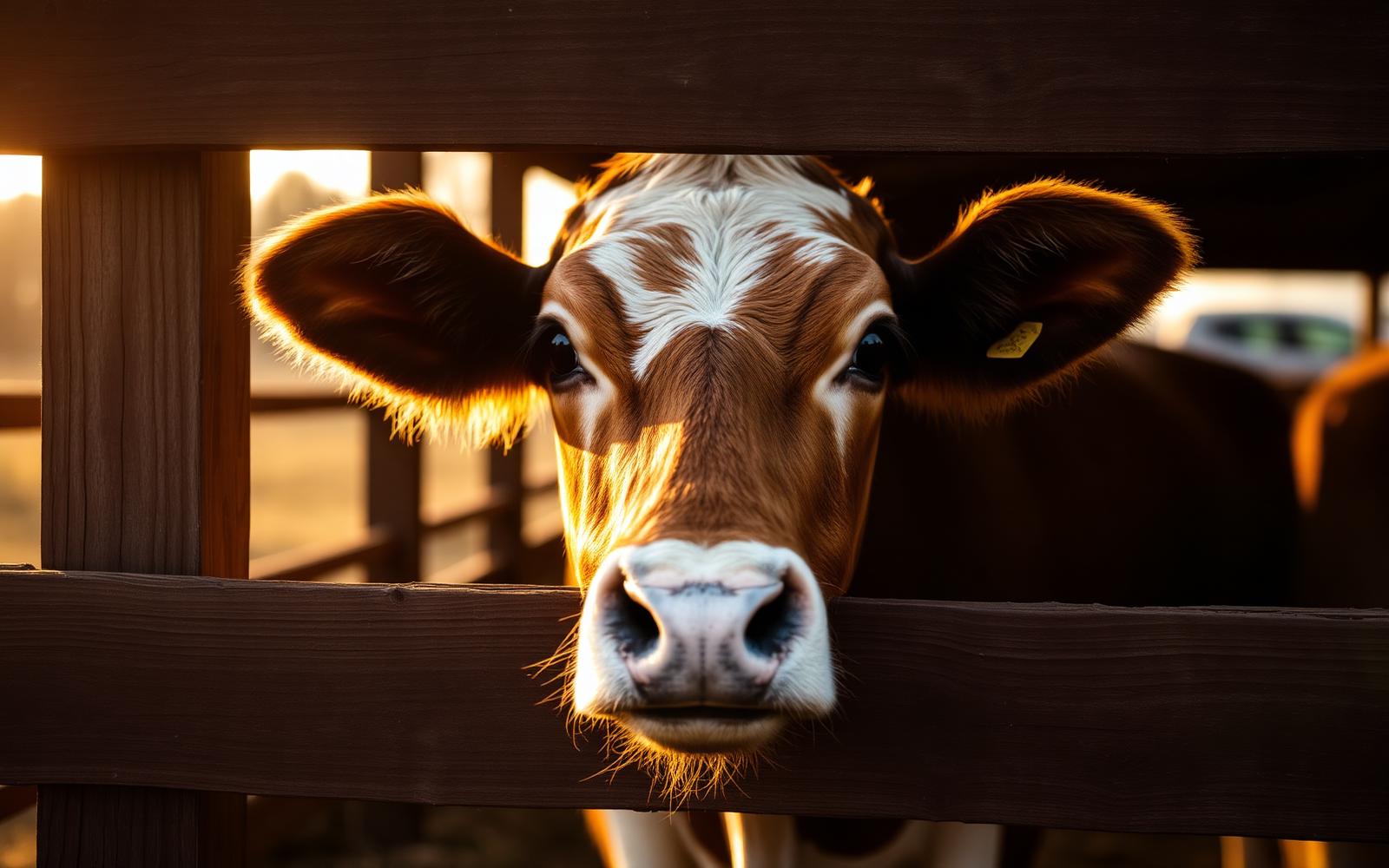
매년 800억 마리 이상의 육상 동물이 식량을 위해 도살됩니다. 그들 하나하나가 삶의 의지를 가진 개체입니다. 우리는 최소한 그들을 희생시키는 일에 가담하지 않음으로써 그들에게 빚을 갚아야 합니다.
축산업은 삼림 파괴, 생물 다양성 손실, 해양 데드존의 주요 원인이자 담수를 가장 많이 사용하는 산업 중 하나입니다. 식물성 식단으로 전환하는 것은 개인이 환경 발자국을 줄일 수 있는 가장 큰 방법 중 하나입니다.
가공되지 않은 식물성 식단은 심장병, 제2형 당뇨병 및 일부 암의 위험을 낮추는 것과 관련이 있으며, 이는 의료 서비스 접근성이 가장 낮은 곳에서 특히 중요합니다.
기후 변화를 가장 먼저, 그리고 가장 심각하게 느끼는 지역사회는 바로 그 변화에 대한 책임이 가장 적은 곳들입니다. 식량 주권과 전통 채식은 저항의 도구입니다.
이것은 예외적인 사례나 비정상적인 운영이 아닙니다. 지구상에서 가장 큰 네 개의 축산물 산업에서 이루어지는 표준적이고, 감사받고, 규제되는 관행입니다.
깨끗한 슈퍼마켓 라벨 뒤에는 인류 역사상 가장 거대하고 은폐된 동물 고통의 시스템이 자리 잡고 있습니다.
병아리는 산업용 부화기에서 부화하여 어미를 전혀 만나지 못하며, 새끼 돼지는 보통 3~4주 차에 젖을 뗍니다. 대부분의 집약적 사육 동물은 풀, 햇빛, 바깥 공기를 결코 느끼지 못하며, 선택적 번식으로 인해 많은 동물이 기능적 건강 수준을 넘어선 상태입니다.
뿔 자르기, 낙인 찍기, 거세, 부리 자르기, 꼬리 자르기 등은 종종 통증 완화 조치 없이 수행됩니다. 이는 악덕 업자에 의한 학대가 아닙니다. 표준화된 산업 관행입니다.
가축업은 전체 온실가스 배출량의 약 12–15%를 차지하며, 이는 전 세계 운송 부문의 배출량과 맞먹습니다. 이는 열대 지역 삼림 벌채의 주요 원인이자 해양 데드존(dead zone)의 주요 원인입니다.
가공육은 WHO에 의해 1군 발암물질로 분류됩니다. 이는 담배와 같은 증거 범주에 속하지만, 위험 수준이 동일한 것은 아닙니다. 도축장 작업은 모든 산업 분야 중에서 가장 높은 부상률을 기록하는 곳 중 하나입니다.
우유는 포유동물의 젖입니다. 이를 산업 규모로 생산하기 위해서는 강제 번식과 가족 해체 시스템이 필요합니다.
젖소는 매년 인공 수정됩니다. 그들의 송아지는 젖을 판매하기 위해 태어난 지 몇 시간 만에 어미와 분리됩니다. 암송아지는 같은 주기를 반복합니다. 수송아지는 송아지 고기나 소고기용으로 판매되며, 일부 국가에서는 태어난 직후 살처분됩니다.
소의 자연 수명은 약 20년입니다. 젖소는 4~5살에 도축되며, 반복되는 임신과 유방 감염으로 몸이 망가집니다.
유제품은 지구상에서 가장 물과 토지를 집약적으로 사용하는 식품 중 하나입니다. 분뇨 저장소는 질산염을 수로로 유출시킵니다. 젖소 무리에서 나오는 메탄은 단기적 온난화의 주요 원인입니다.
전 세계 성인의 약 3분의 2는 유당을 완전히 소화하지 못하며, 이것이 인간의 기본 상태입니다. 칼슘 요구량은 칼슘이 강화된 식물성 음료, 칼슘으로 굳힌 두부, 케일과 청경채 같은 저옥살산 녹색 채소, 그리고 콩류를 통해 충족될 수 있습니다.
'방사'나 '케이지프리' 달걀조차도 일상적인 살생 위에 세워진 시스템에서 나옵니다.
산란계 품종의 수컷 병아리는 알을 낳을 수 없고 육용으로 자라기에는 너무 느립니다. 매년 약 60억~70억 마리가 부화 후 몇 시간 만에 산 채로 분쇄되거나 가스 살처분되는 것으로 추정됩니다.
전 세계 대부분의 산란계는 여전히 닭장에 갇혀 있으며, 기존 배터리 케이지(battery cage)는 암탉 한 마리에게 종이 한 장보다 적은 공간을 제공합니다. '방사형(Cage-free)'은 보통 수만 마리의 새들이 축사에 빽빽하게 들어차 있음을 의미합니다.
알 생산량이 줄어들면 암탉은 약 18개월에서 2년 사이에 도축장으로 보내집니다. 그들의 자연 수명은 8년입니다. 그들은 야생 조상들이 1년에 10~15개의 알을 낳는 것과 달리, 연간 약 300개의 알을 낳도록 품종 개량되었습니다.
식품 시스템에서 잊힌 동물들 — 그리고 지구상에서 가장 큰 동물 죽음의 원천입니다.
물고기를 보호하는 복지법은 거의 없습니다. 그들은 심해에서 너무 빠르게 끌어올려져 부레가 파열되고, 갑판 위에서 의식이 있는 상태에서 내장이 제거됩니다. 게와 바닷가재는 종종 산 채로 삶아집니다.
평가된 야생 어종의 3분의 1 이상이 과도하게 착취되고 있습니다. 저인망 어선은 해저를 훑으며 형성되는 데 수 세기가 걸리는 심해 산호와 같은 서식지를 파괴할 수 있습니다.
양식 어류는 바다이가 산 채로 뜯어먹는 질병 가득한 가두리에서 사육됩니다. 많은 양식 어종은 사료로 야생에서 잡은 물고기를 필요로 합니다.
Most people who change how they eat do so because of one reason that reaches them personally — and only later encounter the others. All four pillars are real. You don't need to believe all of them to act on any one of them.
More than 80 billion land animals are killed for food each year. Each is a sentient individual capable of fear, pain, preference, and relationship. The question of whether to cause that suffering at industrial scale is the most direct ethical question the food system raises. It does not require any environmental or health argument to be answered.
Livestock agrifood systems accounted for around 12% of human-caused greenhouse gas emissions in 2015 (FAO, 2023). Grazing and feed production occupy most agricultural land while animal foods supply a much smaller share of calories. Livestock production also contributes to deforestation, biodiversity loss, water use, and nutrient pollution. No climate strategy that ignores food is complete.
The Academy of Nutrition and Dietetics states that appropriately planned vegetarian and vegan diets can be nutritionally adequate for adults and offer cardiometabolic health benefits. Advice for pregnancy and childhood requires particular care: professional bodies differ in their recommendations, and evidence for vegan children remains limited. Food quality, supplementation, and individual needs matter.
Factory farming concentrates its harms on communities without political power: slaughterhouse workers — disproportionately migrants and low-income workers — living near feedlots, small farmers undercut by subsidised industrial competitors, and communities in the Global South bearing the worst of climate and land-use impacts they did not cause. The system is not neutral.
The word 'cruelty' in the context of animal agriculture is sometimes used to mean exceptional, rogue behaviour. It is not. The practices described below are standard, audited, and legal in most of the world's largest food-producing nations. They are not the result of bad actors; they are the result of systems optimised for throughput.
Understanding this matters because it means the problem is not fixable by better enforcement of existing rules. The practices are the rules. The solution, where one is available, lies in the structure of demand — which is why food choices are one of the few levers that individuals, families, and institutions can pull directly.
Battery cages for laying hens give each bird roughly the area of an A4 sheet of paper for its entire life. Gestation crates for breeding sows are too narrow for the animal to turn around. These are not outliers — they house the majority of egg-laying hens and breeding pigs in many countries.
On many dairy farms, calves are removed from their mothers within hours of birth and reared separately. Separation can cause distress, including increased calling, with responses influenced by the duration of contact and the separation method. Some commercial farms maintain longer cow–calf contact, so practices vary.
Beak trimming in chickens, tail docking in pigs, and castration of male piglets and calves are painful procedures whose use and pain-relief requirements vary by country. Beak trimming and tail docking aim to reduce injurious pecking and tail biting; castration serves other production purposes. Better housing and management can reduce some of these interventions.
Broiler chickens are selectively bred to reach slaughter weight in 35–42 days — a rate so fast that many cannot support their own body weight. Heart failure, leg deformities, and difficulty walking are common. The birds that arrive at slaughter already live in chronic discomfort.
A 47-minute documentary showing the standard practices of UK animal agriculture — including the so-called "high welfare" farms.
 YouTube
A major meta-analysis covering 38,700 farms, 40 food products, and 119 countries. Estimated that animal products use 83% of farmland while providing 18% of calories, and found that even lower-impact animal products typically have greater impacts than vegetable substitutes.
The UN Food and Agriculture Organization's primary analyses of livestock's contribution to greenhouse gas emissions, land use, and water. The 2013 update estimated livestock at 14.5% of global GHG emissions.
The Academy's current position states that appropriately planned vegetarian and vegan dietary patterns can be nutritionally adequate for adults and offer long-term cardiometabolic health benefits.
The International Agency for Research on Cancer classified processed meat as a Group 1 carcinogen and red meat as a Group 2A probable carcinogen, based on review of over 800 studies.
The Intergovernmental Science-Policy Platform on Biodiversity and Ecosystem Services identified land-use change as the greatest direct driver of change in terrestrial and freshwater ecosystems, and direct exploitation as the greatest driver in marine ecosystems.
"비건을 지지하는 근거는 단 하나의 주장이 아닙니다. 여러 주장들이 있으며, 각 주장은 그 자체로도 충분히 강력하고 함께일 때 더욱 강력해집니다."
7일간의 여정 시작하기The clearest case for going vegan — animals, health and planet on one page: