چغندر
همچنین شناخته شده با نام: beets
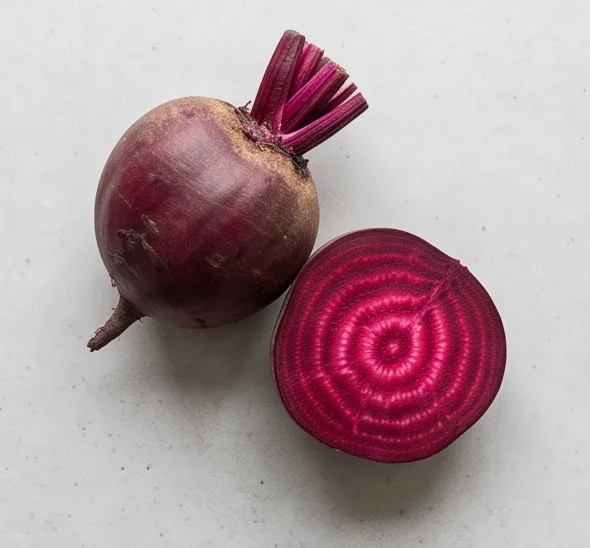
چغندر (لبو) ریشهای شیرین و خاکی است که در سالاد، سوپ و به شکل کبابشده مصرف میشود. این سبزی حاوی نیترات غذایی است، اما مقادیر معمول در غذا با مکملهای غلیظ چغندر یکسان نیست.
ارزش تغذیهای در هر 100 g raw
- کالری
- 43
- پروتئین
- 1.6 g
- چربی
- 0.2 g
- کربوهیدرات
- 10 g
- فیبر
- 2.8 g
چرا اهمیت دارد
- →به صورت پخته یا رندهشده قابل مصرف است
- →بهطور طبیعی غذا و گاهی ادرار یا مدفوع را رنگی میکند
کاربردهای رایج
آمادهسازی و بافت
تا نرم شدن کامل آن را کباب یا آبپز کنید، سپس ورقه کرده درون سالاد بریزید یا در سوپها پوره نمایید. اگر لکهپذیری رنگ آن برایتان مهم است از پیشبند استفاده کنید و بررسی نمایید سالادهای آمادهٔ چغندر فاقد لبنیات باشند.
نکات مهم پیش از مصرف
مطالعات مربوط به نیترات یا آب چغندر نباید به عنوان تضمینی تلقی شود که یک وعده غذایی معمولی فشار خون را کاهش میدهد یا عملکرد ورزشی را بهبود میبخشد. برای علائم بیماری یا درمان دارویی به پزشک مراجعه کنید.
منابع و محدودیتها
ارقام تغذیهای مربوط به شکل مرجع و تقریبی هستند، نه آنالیز آزمایشگاهی محصول خریداریشدهٔ شما. رقم محصول، میزان رطوبت، فرآوری و غنیسازی میتواند نتیجه را تغییر دهد. منابع زیر ترکیبات غذایی، اصول بهداشت و ایمنی مصرف و راهنماهای تغذیهای را شرح میدهند؛ این منابع اثبات نمیکنند که یک ماده غذایی خاص بیماری مشخصی را درمان میکند.
چطور چغندر در یک روز معمولی جا میشود
The reference portion of چغندر contains 43 kcal, 1.6 g of protein and 2.8 g of fibre per 100 g. Read these figures alongside the preparation state shown above: dry grains, cooked pulses and oils are not interchangeable portions. Multiply each figure by the weight you actually eat divided by 100. A food with little protein or fibre can still have a useful culinary role; it should not be described as a substantial source of those nutrients.
The usual uses of چغندر are کبابی, خام رندهشده, بورش, برگر چغندر. Choose the portion and preparation for that role rather than assuming every ingredient should be the centre of a meal. For example, herbs season a dish, oils supply concentrated fat, and legumes can contribute protein and fibre. Check the ingredient's own nutrition values and combine it with complementary foods across the day.
ارزش غذایی در ۱۰۰ گرم، و هر خط برای چیست
| مادهٔ مغذی | در ۱۰۰ گرم | چرا مهم است |
|---|---|---|
| کالری | 43 | چگالی انرژی — برای تخمین اندازهٔ وعده نسبت به بقیهٔ بشقاب مفید است. |
| پروتئین | 1.6 g | به ترمیم عضله و سیری کمک میکند؛ بهتر است در طول روز پخش شود نه یکباره. |
| چربی | 0.2 g | حامل ویتامینهای محلول در چربی و طعم است؛ نوع چربی مهمتر از مقدار آن است. |
| کربوهیدرات | 10 g | منبع اصلی انرژی؛ کربوهیدراتِ غذای کامل با فیبر و مواد معدنی همراه است. |
| فیبر | 2.8 g | باکتریهای روده را تغذیه میکند، قند خون را متعادل میکند و مادهای است که بیشتر رژیمها کم دارند. |
خرید و نگهداری چغندر
- Compare the ingredient list and price for the form you need. A plain version may be useful, but fortified products can provide nutrients that an unfortified version lacks.
- Fresh, frozen, canned and dried products differ in water content, added salt and preparation. Compare nutrition using the same preparation state and a realistic serving, not package weight alone.
- Follow the package's storage instructions. Refrigerate perishable foods promptly; a dry cupboard is not appropriate for every ingredient.
- Buy only an amount you can store safely and use before spoilage. A lower unit price does not save money if part of the food is discarded.
اشتباهات رایج
- Comparing dry and cooked weights as if they were equivalent. Water absorbed during cooking changes the nutrients per 100 g.
- Assuming every plant ingredient supplies meaningful protein, iron or fibre. Use the values above and the portion actually eaten.
- Ignoring food allergies, age-appropriate textures or a medical condition when choosing a serving.
- Assuming every ingredient can be eaten raw. Follow preparation instructions, especially for dried beans and foods requiring cooking.
آشپزی با چغندر
کاربردهای معمول آن کبابی, خام رندهشده, بورش, برگر چغندر است. هر کدام یک الگو هستند نه یک دستور پخت: وقتی بدانید چغندر در برابر حرارت و نمک چطور رفتار میکند، میتوانید آن را در غذاهایی که از قبل میپزید جا دهید به جای اینکه یک غذای جدید از صفر یاد بگیرید.
سوالات بیشتری که مردم میپرسند
Is چغندر a good source of protein?
The reference value is 1.6 g per 100 g. Whether that makes a meaningful contribution depends on the serving you eat. A small amount used for seasoning or cooking fat is not equivalent to a main serving of beans or tofu. Compare the prepared portion, not just the ingredient name.
How much چغندر should I eat in a day?
There is no universal serving suitable for every ingredient or person. Match the amount to its role, energy density and your overall diet. Allergies, medical conditions, age and preparation matter. A clinician or registered dietitian can advise on individual restrictions.
Is چغندر suitable for children and older adults?
Suitability depends on the ingredient, preparation and person. Consider allergies, swallowing and chewing ability, choking hazards and medical restrictions. Whole nuts and hard pieces may need grinding or another texture adjustment. Do not assume an ingredient is safe or nutrient-dense solely because it is plant-based.
Does cooking change the nutrients in چغندر?
Cooking may reduce some heat-sensitive vitamins while improving digestibility or making a food safe to eat. Water gain or loss also changes the figures per 100 g. Compare nutrition data for the same cooked or uncooked form, and follow safe preparation instructions rather than avoiding cooking to preserve nutrients.
Is چغندر expensive?
Prices vary by region, season, brand and preparation. Compare the cost of the amount you will actually use, including waste and cooking time. An oil, spice or specialty ingredient cannot be judged as a cheap protein source when it supplies little protein in a normal serving.
ادامه کاوش
صفحات مرتبط با این صفحه در زمینه جایگزینیها، مواد اولیه، مواد مغذی و وعدههای غذایی.