Espinaca
Espináka ha'e ka'avo rogue oje'úva ipyahu térã oñembopupývo. Ome'ẽ folato ha kuarepoti (hierro non-haem), jepémo ndaha'éi kalsio ykua oñemokõ porãitereíva.
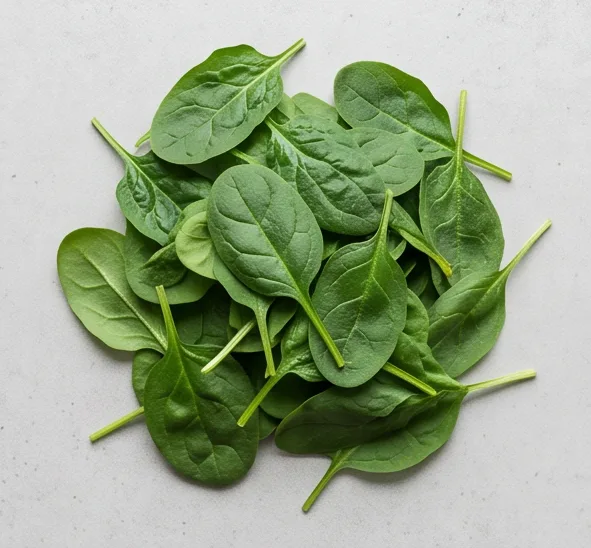
Mba'e porã petet 100 g raw rehe
- Caloría
- 23
- Proteína
- 2.9 g
- Kyra
- 0.4 g
- Carbohidrato
- 3.6 g
- Tata'ỹi
- 2.2 g
Mba'érepa iñimportante
- →Ome'ẽ folato ha hierro non-haem
- →Tembi'u oguerekóva vitamina C ikatu oipytyvõ hierro ñemokõme
Ojeipuru jepi
Mbosako'i ha retepy
Ejohéi hogue ha emombytuve sapy'ami sopa térã lenteha apytépe. Emoirũ peteĩ tembi'u vitamina C rehegua ndive, locote térã limón-icha; eipuru oñembopupyre sa'ive tenda oikotevẽramo.
Mba'épa rehechava'erã reipuru mboyve
Espináka oguereko oxalato, omboguejýva kalsio ñemokõ. Oimeraẽva pititi itáva térã ambue jepokuaa oguerekóva oho va'erã pohanohára he'iháicha.
Mba'e guivepa oñenohẽ ha hembypy
Tembi'u rekove papapykuéra ohechauka peteĩ techapyrãnte ha ha'e katuetéva rupi, ndaha'éi peteĩ mba'ekuaahára rechaukaha nde joguapyrére. Tembi'u juehegua, y oguerekóva, ñembosako'i ha ñemombarete ikatu omoambue hepykue. Ko'ã kuatiañe'ẽ iguýpe omyesakã tembi'u retepy, ñangareko hekopete rehegua ha tembi'urã ñe'ẽporã; ndohechaukái peteĩ tembi'u añónte ikatuhague omonguera peteĩ mba'asy.
Mba'éichapa Espinaca oike peteĩ ára karu rehe
The reference portion of Espinaca contains 23 kcal, 2.9 g of protein and 2.2 g of fibre per 100 g. Read these figures alongside the preparation state shown above: dry grains, cooked pulses and oils are not interchangeable portions. Multiply each figure by the weight you actually eat divided by 100. A food with little protein or fibre can still have a useful culinary role; it should not be described as a substantial source of those nutrients.
The usual uses of Espinaca are Salteado, Batidos, Palak paneer (con tofu), Ensalada. Choose the portion and preparation for that role rather than assuming every ingredient should be the centre of a meal. For example, herbs season a dish, oils supply concentrated fat, and legumes can contribute protein and fibre. Check the ingredient's own nutrition values and combine it with complementary foods across the day.
Nutrición por 100 g, ha mba'épa cada línea oservi
| Nutriente | Por 100 g | Mba'érepa iñimportante |
|---|---|---|
| Caloría | 23 | Densidad energética — útil para medir porción contra el resto del plato. |
| Proteína | 2.9 g | Ayuda a reparar músculo y da saciedad; mejor distribuir durante el día que en una sola comida. |
| Kyra | 0.4 g | Transporta vitaminas liposolubles y sabor; el tipo de grasa importa más que la cantidad. |
| Carbohidrato | 3.6 g | Fuente principal de energía; carbohidratos integrales vienen con fibra y minerales. |
| Tata'ỹi | 2.2 g | Alimenta bacterias intestinales, estabiliza azúcar en sangre y es el nutriente que más falta en las dietas. |
Compra y almacenamiento de Espinaca
- Compare the ingredient list and price for the form you need. A plain version may be useful, but fortified products can provide nutrients that an unfortified version lacks.
- Fresh, frozen, canned and dried products differ in water content, added salt and preparation. Compare nutrition using the same preparation state and a realistic serving, not package weight alone.
- Follow the package's storage instructions. Refrigerate perishable foods promptly; a dry cupboard is not appropriate for every ingredient.
- Buy only an amount you can store safely and use before spoilage. A lower unit price does not save money if part of the food is discarded.
Errores comunes
- Comparing dry and cooked weights as if they were equivalent. Water absorbed during cooking changes the nutrients per 100 g.
- Assuming every plant ingredient supplies meaningful protein, iron or fibre. Use the values above and the portion actually eaten.
- Ignoring food allergies, age-appropriate textures or a medical condition when choosing a serving.
- Assuming every ingredient can be eaten raw. Follow preparation instructions, especially for dried beans and foods requiring cooking.
Cocinar con Espinaca
Los usos comunes son Salteado, Batidos, Palak paneer (con tofu), Ensalada. Cada uno es una plantilla más que una receta: una vez que sabes cómo Espinaca se comporta con calor y sal, puedes insertarlo en comidas que ya cocinas en lugar de aprender un plato nuevo desde cero.
Heta porandu oĩva tapichakuéra
Is Espinaca a good source of protein?
The reference value is 2.9 g per 100 g. Whether that makes a meaningful contribution depends on the serving you eat. A small amount used for seasoning or cooking fat is not equivalent to a main serving of beans or tofu. Compare the prepared portion, not just the ingredient name.
How much Espinaca should I eat in a day?
There is no universal serving suitable for every ingredient or person. Match the amount to its role, energy density and your overall diet. Allergies, medical conditions, age and preparation matter. A clinician or registered dietitian can advise on individual restrictions.
Is Espinaca suitable for children and older adults?
Suitability depends on the ingredient, preparation and person. Consider allergies, swallowing and chewing ability, choking hazards and medical restrictions. Whole nuts and hard pieces may need grinding or another texture adjustment. Do not assume an ingredient is safe or nutrient-dense solely because it is plant-based.
Does cooking change the nutrients in Espinaca?
Cooking may reduce some heat-sensitive vitamins while improving digestibility or making a food safe to eat. Water gain or loss also changes the figures per 100 g. Compare nutrition data for the same cooked or uncooked form, and follow safe preparation instructions rather than avoiding cooking to preserve nutrients.
Is Espinaca expensive?
Prices vary by region, season, brand and preparation. Compare the cost of the amount you will actually use, including waste and cooking time. An oil, spice or specialty ingredient cannot be judged as a cheap protein source when it supplies little protein in a normal serving.
Ehecha avei
Kuatiarogue oñondivepa kuéva oñembyatýva tembi'u, tembi'u rehegua, tembi'u rehegua ha tembi'u rehegua.



