Iodine for vegans: the easiest nutrient to get wrong in both directions
Quick answer
Adults need about 150 mcg of iodine a day, and vegans without iodised salt, a supplement or seaweed frequently fall short. The safest routes are iodised salt or a 150 mcg supplement. Kelp is a poor choice because its iodine content varies enormously between batches and a single serving can deliver thousands of micrograms — enough to disrupt thyroid function.
Iodine content in plant foods and seaweed varies widely. Dairy is an important contributor in some countries, influenced by feed and farming practices. Use a measured source such as an appropriately dosed supplement or iodised salt without increasing overall salt intake; a small pinch does not necessarily meet daily needs.
Key facts
- Daily target used here
- 150 mcg
- Food sources listed
- 8
- Richest source
- Kombu / kelp — 2500 mcg
- Supplement
- The 150 mcg tablet is the boring right answer
How much you need
US RDA and EFSA adequate intake
US RDA — critical for fetal brain development
US RDA
US RDA
US adult UL; European adult UL is 600 mcg/day
Where it comes from
Sort by Iodine
Iodine per serving in plant foods, with the share of a 150 mcg daily target
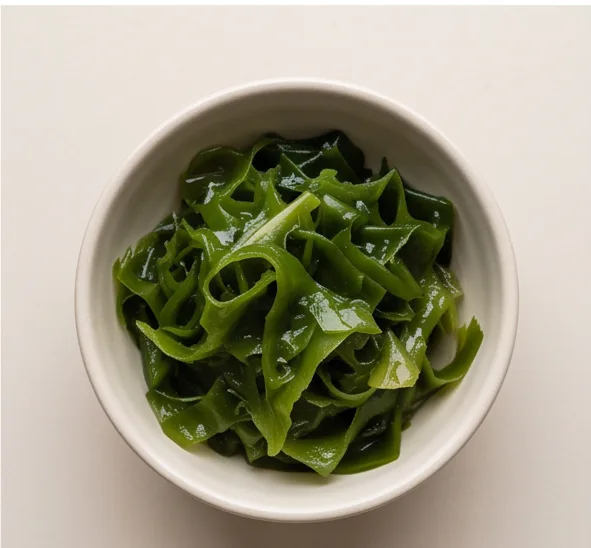
- Wakame1 g dried150 mcg
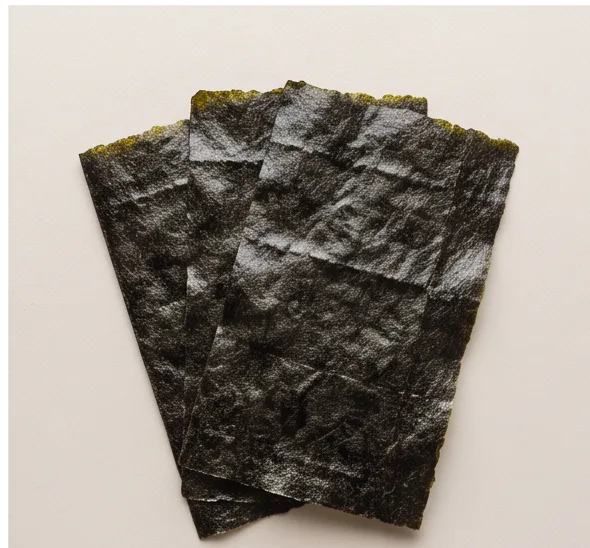
- Nori sheets1 sheet (3 g)50 mcg
NIH ODS — Iodine fact sheet
| Food | Serving | mcg | % of target |
|---|---|---|---|
| Kombu / kelpIllustrative only; iodine varies widely by species and batch | 1 g dried | 2500 | 1667% |
| Iodine supplement (potassium iodide)The most predictable option | 1 tablet | 150 | 100% |
| WakameIllustrative only; iodine varies widely by species and batch | 1 g dried | 150 | 100% |
| Iodised saltMost sea salt and pink salt are NOT iodised; Illustrative amount — check the product label | 1/4 tsp (1.5 g) | 71 | 47% |
| Fortified plant milkOnly some brands add iodine; Illustrative amount — check the product label | 250 ml | 55 | 37% |
| Nori sheetsIodine varies by species, origin and batch; not a sole source | 1 sheet (3 g) | 50 | 33% |
| Lima beans, cookedApproximate; plant iodine content varies | 1 cup | 16 | 11% |
| Prunes, driedHighly variable | 5 prunes | 13 | 9% |
Getting it absorbed, not just eaten
Absorption is not the issue — supply is
Dietary iodide is absorbed almost completely. The problem is that soil iodine varies hugely by region, so the same vegetable can be a source in one country and not in another.
Goitrogens are only a concern at low iodine
Raw cruciferous vegetables and soy contain compounds that mildly interfere with thyroid iodine uptake. With adequate iodine, normal amounts are harmless; cooking reduces them further.
Iodised salt loses potency
Iodine evaporates from open containers over months and degrades with heat and humidity. Keep it closed, and do not count on an old box for your whole intake.
The 150 mcg tablet is the boring right answer
A daily 150 mcg potassium iodide supplement (or a multivitamin containing it) gives a known dose. Avoid kelp-based 'natural iodine' products entirely — their labelling is often wildly inaccurate. In pregnancy, choose a prenatal that lists iodine, since many do not.
Signs of running low
- Goitre — visible thyroid swelling in the neck
- Fatigue, cold intolerance and weight gain (hypothyroid pattern)
- Dry skin and hair loss
- Brain fog and low mood
- In pregnancy, impaired fetal neurological development — the most serious risk
What to test
- Urinary iodine concentration
- Useful for population surveillance. A single spot urine sample cannot reliably diagnose iodine deficiency in an individual because intake and excretion vary from day to day.
- TSH and free T4
- Detects thyroid dysfunction from either too little or too much iodine.
- Review your salt
- Check the iodine concentration and how much salt you actually use, plus fortified foods and supplements. Do not increase salt intake just to obtain iodine.
Common mistakes
Using pink Himalayan or sea salt exclusively
Both are usually uniodised. Switching to them is a common accidental way to remove iodine from the diet.
Eating kelp regularly
Kelp and kombu can contain thousands of micrograms per gram. Iodine leaches into cooking water, so removing the seaweed does not make the broth reliably low in iodine. Avoid using kelp as a routine iodine source.
Assuming a prenatal contains iodine
Many do not. Check the label explicitly during pregnancy.
Questions people ask
Do vegans need an iodine supplement?
If your diet does not reliably provide iodine, an appropriately dosed supplement is a practical option. Adults often use 150 mcg/day; discuss pregnancy, thyroid disease and other iodine sources with a clinician.
Is seaweed a good iodine source?
Seaweed can contain substantial iodine, but amounts vary widely, including in nori. Kelp and kombu can easily exceed safe limits; measured supplements and labelled fortified foods are more predictable.
Can too much iodine be harmful?
Yes. Excess iodine can trigger underactive or overactive thyroid and thyroiditis. The US adult upper limit is 1,100 mcg/day; the European limit is 600 mcg/day. Some kelp servings exceed either.
Does soy affect iodine or the thyroid?
Soy has a mild goitrogenic effect only when iodine intake is inadequate. With sufficient iodine, normal soy consumption does not impair thyroid function.
Which salt should I buy?
Any salt labelled iodised. Availability varies by country — in the UK, for instance, iodised salt is uncommon, so a supplement is often the more practical route.
References
Other nutrient guides
Data: NIH ODS — Iodine fact sheet · Free to reuse under CC BY 4.0 with a link back.
General information, not medical advice. Talk to a clinician or registered dietitian about your own situation.
Продовжуйте досліджувати
Сторінки, пов'язані з цією через заміни, інгредієнти, поживні речовини та страви.