Portobello
Portobello jẹ́ olu àgbà tí a gbìn, tí a mọ̀ fún fífẹ̀ orí rẹ̀ àti ara rẹ̀ tó lágbára. Ó lè rọ́pò àpẹẹrẹ ẹran burger ṣùgbọ́n kì í ṣe amuaradagba inú rẹ̀.
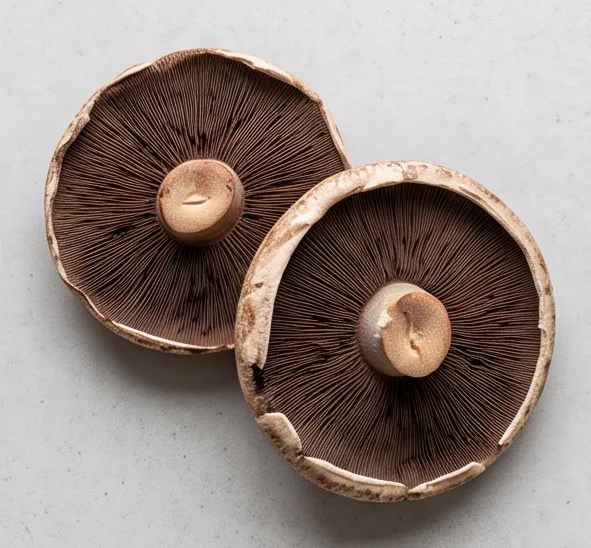
Èròjà oúnjẹ nínú 100 g raw kọ̀ọ̀kan
- Kálórì
- 22
- Amuṣẹ
- 2.1 g
- Ọ̀rá
- 0.4 g
- Kábòhàídréètì
- 3.9 g
- Fáíbà
- 1.3 g
Kí ló ṣe pàtàkì
- →Ń fi adùn àti ara tó lágbára kún oúnjẹ
- →Àfirọ́pò tó kéré ní amuaradagba fún ẹran burger
Lò ó láti rọ́pò
- • Búrẹ́dì ẹran màlúù
Àwọn ìlò tó wọ́pọ̀
Ìpèsè àti bí ó ṣe rí lára
Fọ̀ ọ́ kí o sì nu ín gbẹ, lẹ́yìn náà yan án lórí iná tàbí nínú ààrò títí yóò fi jiná. So pọ̀ mọ́ ẹ̀wà, tofu tàbí oúnjẹ amuaradagba míràn nígbà tí o bá ń lò ó nínú oúnjẹ àkọ́kọ́.
Àwọn ohun tí ó yẹ kí a yẹ̀ wò kí a tó lò ó
Olu máa ń pàdánù omi nígbà sísè, nítorí náà ìwọ̀n tútù àti èyí tí a sè yàtọ̀. Má ṣe dá olu inú igbó mọ̀ látàrí pé ó jọ portobello; rà àwọn olu tí a mọ̀ dájú pé wọ́n ṣeé jẹ.
Àwọn orísun àti àwọn ààlà
Àwọn iye èròjà aṣaralóore wọ̀nyí ń ṣàpèjúwe àwòṣe ìtọ́kasí, wọ́n sì jẹ́ ìṣirò àbáwọlé lásán, kì í ṣe àyẹ̀wò yàrá-ìwádìí lórí ohun tí ẹ rà gangan. Oríṣiríṣi ẹ̀yà rẹ̀, iye omi inú rẹ̀, bí a ṣe pèsè rẹ̀ àti àwọn èròjà tí a fi kún un lè yí àbájáde padà. Àwọn orísun tí ó wà nísàlẹ̀ ń ṣàlàyé àwọn èròjà inú oúnjẹ, ìtọ́jú tó láàbò àti ìtọ́sọ́nà lórí aṣaralóore; wọn kò fìdí rẹ̀ múlẹ̀ pé oúnjẹ kan pàtó lè wo àrùn kan sàn.
Báwo Portobello ṣe wúlò nínú jíjẹun ojoojúmọ́
The reference portion of Portobello contains 22 kcal, 2.1 g of protein and 1.3 g of fibre per 100 g. Read these figures alongside the preparation state shown above: dry grains, cooked pulses and oils are not interchangeable portions. Multiply each figure by the weight you actually eat divided by 100. A food with little protein or fibre can still have a useful culinary role; it should not be described as a substantial source of those nutrients.
The usual uses of Portobello are Sísun, Kíkún, Gígé nínú fajitas. Choose the portion and preparation for that role rather than assuming every ingredient should be the centre of a meal. For example, herbs season a dish, oils supply concentrated fat, and legumes can contribute protein and fibre. Check the ingredient's own nutrition values and combine it with complementary foods across the day.
Ìjẹ́rìí oúnjẹ fún 100 g, àti ohun tí ẹ̀ka kọ̀ọ̀kan ṣe
| Oúnjẹ | Fún 100 g | Kí ló ṣe pàtàkì |
|---|---|---|
| Kálórì | 22 | Ìwọ̀n agbára — ó wúlò fún dídi iye tí ó yẹ lọ́wọ́ sí àwọn oúnjẹ yòókù nínú àwo. |
| Amuṣẹ | 2.1 g | Ó ń ran àtúnṣe iṣan àti ìkóra ara lọ́wọ́; kó o jẹ káàkiri ọ̀sán dípò kí o jẹ gbogbo rẹ̀ lẹ́ẹ̀kan. |
| Ọ̀rá | 0.4 g | Ó ń gbé àwọn vitamin tí ó tómi àti adùn; irú ọ̀rá tí ó jẹ ló ṣe pàtàkì ju iye rẹ̀ lọ. |
| Kábòhàídréètì | 3.9 g | Oúnjẹ pàtàkì fún agbára; carbohydrate tí ó wá láti inú oúnjẹ tí kò jẹ́ tí a ṣe ní fiber àti àwọn ohun alumọni mìíràn. |
| Fáíbà | 1.3 g | Ó ń bọ́ àwọn kòkòrò inú ikun, ó ń mú ẹ̀jẹ̀ dúró, ó sì jẹ́ oúnjẹ tí ọ̀pọ̀ èèyàn kò rí tó. |
Ríra àti fífi Portobello pamọ́
- Compare the ingredient list and price for the form you need. A plain version may be useful, but fortified products can provide nutrients that an unfortified version lacks.
- Fresh, frozen, canned and dried products differ in water content, added salt and preparation. Compare nutrition using the same preparation state and a realistic serving, not package weight alone.
- Follow the package's storage instructions. Refrigerate perishable foods promptly; a dry cupboard is not appropriate for every ingredient.
- Buy only an amount you can store safely and use before spoilage. A lower unit price does not save money if part of the food is discarded.
Àwọn àṣìṣe tí a sábà máa ń ṣe
- Comparing dry and cooked weights as if they were equivalent. Water absorbed during cooking changes the nutrients per 100 g.
- Assuming every plant ingredient supplies meaningful protein, iron or fibre. Use the values above and the portion actually eaten.
- Ignoring food allergies, age-appropriate textures or a medical condition when choosing a serving.
- Assuming every ingredient can be eaten raw. Follow preparation instructions, especially for dried beans and foods requiring cooking.
Sísè pẹ̀lú Portobello
Àwọn ìlò tí a sábà máa ń lò ni Sísun, Kíkún, Gígé nínú fajitas. Ọ̀kọ̀ọ̀kan wọn jẹ́ àpẹrẹ dípò ìlànà: nígbà tí o bá mọ bí Portobello ṣe ń hùwà pẹ̀lú ooru àti iyọ̀, o lè fi sí àwọn oúnjẹ tí o ti ń ṣe dípò kí o kọ́ oúnjẹ tuntun láti ìbẹ̀rẹ̀.
Àwọn ìbéèrè mìíràn tí àwọn ènìyàn ń béèrè
Is Portobello a good source of protein?
The reference value is 2.1 g per 100 g. Whether that makes a meaningful contribution depends on the serving you eat. A small amount used for seasoning or cooking fat is not equivalent to a main serving of beans or tofu. Compare the prepared portion, not just the ingredient name.
How much Portobello should I eat in a day?
There is no universal serving suitable for every ingredient or person. Match the amount to its role, energy density and your overall diet. Allergies, medical conditions, age and preparation matter. A clinician or registered dietitian can advise on individual restrictions.
Is Portobello suitable for children and older adults?
Suitability depends on the ingredient, preparation and person. Consider allergies, swallowing and chewing ability, choking hazards and medical restrictions. Whole nuts and hard pieces may need grinding or another texture adjustment. Do not assume an ingredient is safe or nutrient-dense solely because it is plant-based.
Does cooking change the nutrients in Portobello?
Cooking may reduce some heat-sensitive vitamins while improving digestibility or making a food safe to eat. Water gain or loss also changes the figures per 100 g. Compare nutrition data for the same cooked or uncooked form, and follow safe preparation instructions rather than avoiding cooking to preserve nutrients.
Is Portobello expensive?
Prices vary by region, season, brand and preparation. Compare the cost of the amount you will actually use, including waste and cooking time. An oil, spice or specialty ingredient cannot be judged as a cheap protein source when it supplies little protein in a normal serving.
Tẹ̀ ẹ̀wọ̀n sí i
Àwọn ojú-ewé tó jẹ́ mọ́ eyí nípa àwọn ìyípadà, àwọn ohun elo, àwọn nǹkan àfúnni àti àwọn onjẹ.