Пшено
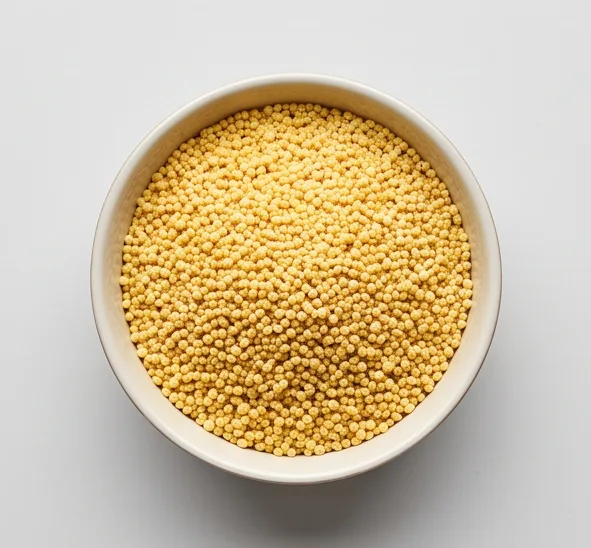
Просо (пшено) — группа мелкозерных злаков, используемых для каш, лепешек и гарниров в разных кухнях мира. Вкус и текстура зависят от сорта и обработки.
Пищевая ценность на 100 g cooked
- Калории
- 119
- Белки
- 3.5 g
- Жиры
- 1 g
- Углеводы
- 24 g
- Клетчатка
- 1.3 g
Почему это важно
- →Злаковый источник углеводов
- →От природы не содержит глютен в цельном виде
Как используют
Кулинарная обработка и текстура
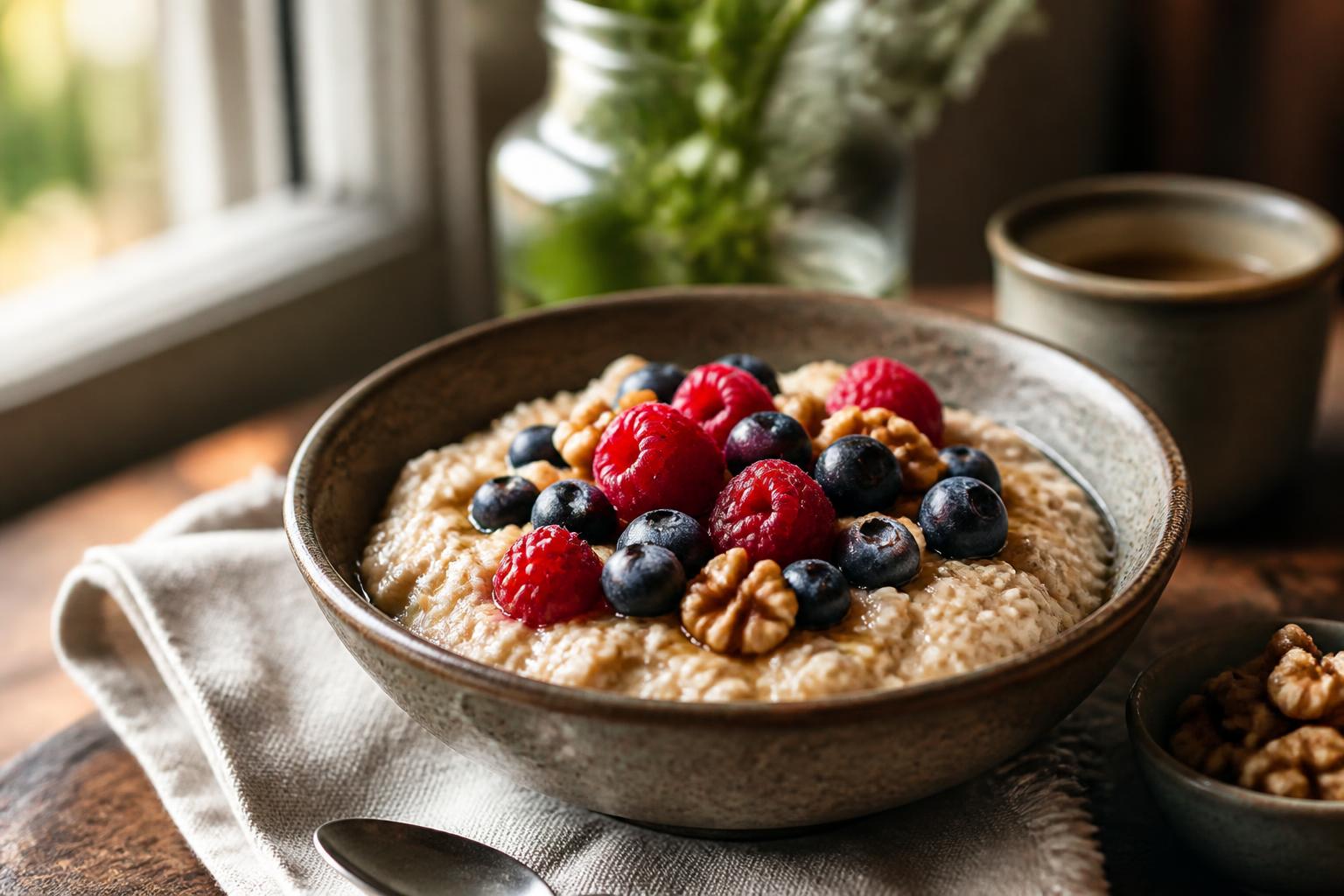
Промойте и варите в зависимости от желаемого результата. Меньшее количество воды дает рассыпчатую крупу для гарнира, большее количество воды и помешивание — мягкую вязкую кашу.
На что обратить внимание перед употреблением
Утверждения о том, что пшено «защелачивает» организм или всегда имеет низкий гликемический индекс, вводят в заблуждение. Гликемический ответ зависит от способа обработки, размера порции и состава всего приема пищи.
Источники и ограничения
Показатели пищевой ценности приведены для эталонной формы продукта и являются приблизительными, а не результатом лабораторного анализа конкретной покупки. Сорт, влажность, степень переработки и обогащение могут влиять на итоговые значения. Приведенные ниже источники описывают состав продуктов, правила безопасности при приготовлении и рекомендации по питанию; они не доказывают, что отдельный продукт способен лечить заболевания.
Как Пшено вписывается в обычный день питания
The reference portion of Пшено contains 119 kcal, 3.5 g of protein and 1.3 g of fibre per 100 g. Read these figures alongside the preparation state shown above: dry grains, cooked pulses and oils are not interchangeable portions. Multiply each figure by the weight you actually eat divided by 100. A food with little protein or fibre can still have a useful culinary role; it should not be described as a substantial source of those nutrients.
The usual uses of Пшено are Каша, Инджера (с тефом), Пилав. Choose the portion and preparation for that role rather than assuming every ingredient should be the centre of a meal. For example, herbs season a dish, oils supply concentrated fat, and legumes can contribute protein and fibre. Check the ingredient's own nutrition values and combine it with complementary foods across the day.
Питательная ценность на 100 г и зачем каждый показатель
| Питательное вещество | На 100 г | Зачем это важно |
|---|---|---|
| Калории | 119 | Энергетическая плотность — помогает оценить размер порции относительно остальной тарелки. |
| Белки | 3.5 g | Поддерживает восстановление мышц и сытость; лучше распределять в течение дня, а не съедать за раз. |
| Жиры | 1 g | Переносит жирорастворимые витамины и вкус; важнее тип жира, чем его количество. |
| Углеводы | 24 g | Основной источник энергии; углеводы из цельных продуктов сопровождаются клетчаткой и минералами. |
| Клетчатка | 1.3 g | Питает кишечные бактерии, стабилизирует уровень сахара в крови — это тот нутриент, которого чаще всего не хватает в рационе. |
Покупка и хранение Пшено
- Compare the ingredient list and price for the form you need. A plain version may be useful, but fortified products can provide nutrients that an unfortified version lacks.
- Fresh, frozen, canned and dried products differ in water content, added salt and preparation. Compare nutrition using the same preparation state and a realistic serving, not package weight alone.
- Follow the package's storage instructions. Refrigerate perishable foods promptly; a dry cupboard is not appropriate for every ingredient.
- Buy only an amount you can store safely and use before spoilage. A lower unit price does not save money if part of the food is discarded.
Частые ошибки
- Comparing dry and cooked weights as if they were equivalent. Water absorbed during cooking changes the nutrients per 100 g.
- Assuming every plant ingredient supplies meaningful protein, iron or fibre. Use the values above and the portion actually eaten.
- Ignoring food allergies, age-appropriate textures or a medical condition when choosing a serving.
- Assuming every ingredient can be eaten raw. Follow preparation instructions, especially for dried beans and foods requiring cooking.
Приготовление Пшено
Обычные способы применения — Каша, Инджера (с тефом), Пилав. Каждый из них — скорее шаблон, чем рецепт: как только вы поймете, как Пшено ведет себя при нагревании и добавлении соли, вы сможете добавлять его в блюда, которые уже готовите, вместо того чтобы учиться готовить новое блюдо с нуля.
Часто задаваемые вопросы
Is Пшено a good source of protein?
The reference value is 3.5 g per 100 g. Whether that makes a meaningful contribution depends on the serving you eat. A small amount used for seasoning or cooking fat is not equivalent to a main serving of beans or tofu. Compare the prepared portion, not just the ingredient name.
How much Пшено should I eat in a day?
There is no universal serving suitable for every ingredient or person. Match the amount to its role, energy density and your overall diet. Allergies, medical conditions, age and preparation matter. A clinician or registered dietitian can advise on individual restrictions.
Is Пшено suitable for children and older adults?
Suitability depends on the ingredient, preparation and person. Consider allergies, swallowing and chewing ability, choking hazards and medical restrictions. Whole nuts and hard pieces may need grinding or another texture adjustment. Do not assume an ingredient is safe or nutrient-dense solely because it is plant-based.
Does cooking change the nutrients in Пшено?
Cooking may reduce some heat-sensitive vitamins while improving digestibility or making a food safe to eat. Water gain or loss also changes the figures per 100 g. Compare nutrition data for the same cooked or uncooked form, and follow safe preparation instructions rather than avoiding cooking to preserve nutrients.
Is Пшено expensive?
Prices vary by region, season, brand and preparation. Compare the cost of the amount you will actually use, including waste and cooking time. An oil, spice or specialty ingredient cannot be judged as a cheap protein source when it supplies little protein in a normal serving.
Продолжайте исследовать
Страницы, связанные с этой через замены, ингредиенты, питательные вещества и блюда.