Berries
Also known as: blueberries, raspberries, blackberries, strawberries
Berries include several distinct fruits, with different nutrient profiles. Fresh and frozen berries work in porridge, desserts and sauces.
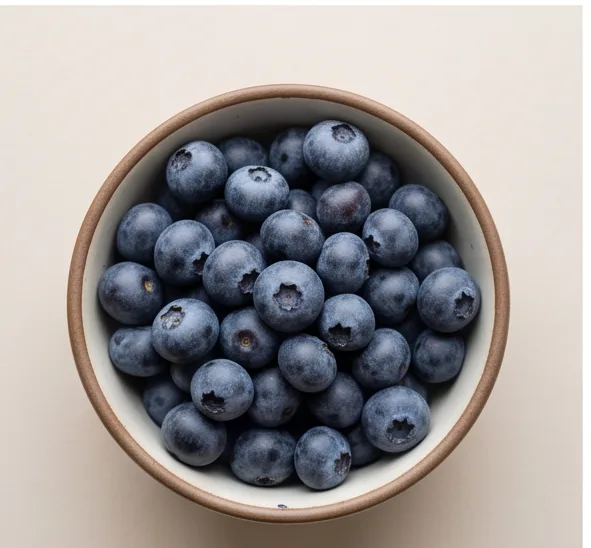
Nutrition per 100 g raw blueberries (example)
- Calories
- 57
- Protein
- 0.7 g
- Fat
- 0.3 g
- Carbs
- 14 g
- Fibre
- 2.4 g
Why it matters
- →Variety matters for the nutrient figures
- →The table is an illustrative blueberry reference, not every berry
Common uses
SeasonalitySummer
Preparation and texture
Wash fresh berries as directed and follow any cooking instructions for frozen products. Stir into porridge or cook into a sauce without assuming added sugar is needed.
What to check before using it
Observational links between fruit intake and health do not prove berries prevent cognitive decline or heart disease. The same nutrition figure should not be attributed to every berry variety.
Sources and limits
Nutrition figures describe the reference form and are approximate, not a laboratory analysis of your purchase. Variety, water content, processing and fortification can change the result. The sources below explain food composition, safe handling and nutrient guidance; they do not establish that an individual food treats a disease.
如何将Berries融入日常饮食
The reference portion of Berries contains 57 kcal, 0.7 g of protein and 2.4 g of fibre per 100 g. Read these figures alongside the preparation state shown above: dry grains, cooked pulses and oils are not interchangeable portions. Multiply each figure by the weight you actually eat divided by 100. A food with little protein or fibre can still have a useful culinary role; it should not be described as a substantial source of those nutrients.
The usual uses of Berries are Porridge topper, Smoothies, Baking, Fresh. Choose the portion and preparation for that role rather than assuming every ingredient should be the centre of a meal. For example, herbs season a dish, oils supply concentrated fat, and legumes can contribute protein and fibre. Check the ingredient's own nutrition values and combine it with complementary foods across the day.
每100克营养成分及其实际作用
| 营养素 | 每100克含量 | 为什么重要 |
|---|---|---|
| Calories | 57 | 能量密度——有助于根据餐盘其他部分判断份量大小。 |
| Protein | 0.7 g | 支持肌肉修复和饱腹感;建议全天分散摄入,而非一次性吃够。 |
| Fat | 0.3 g | 携带脂溶性维生素和风味;脂肪的种类比含量更重要。 |
| Carbs | 14 g | 主要能量来源;全食物碳水化合物附带膳食纤维和矿物质。 |
| Fibre | 2.4 g | 喂养肠道菌群、稳定血糖,是大多数饮食中最缺乏的营养素。 |
购买与储存Berries
- Compare the ingredient list and price for the form you need. A plain version may be useful, but fortified products can provide nutrients that an unfortified version lacks.
- Fresh, frozen, canned and dried products differ in water content, added salt and preparation. Compare nutrition using the same preparation state and a realistic serving, not package weight alone.
- Follow the package's storage instructions. Refrigerate perishable foods promptly; a dry cupboard is not appropriate for every ingredient.
- Buy only an amount you can store safely and use before spoilage. A lower unit price does not save money if part of the food is discarded.
常见错误
- Comparing dry and cooked weights as if they were equivalent. Water absorbed during cooking changes the nutrients per 100 g.
- Assuming every plant ingredient supplies meaningful protein, iron or fibre. Use the values above and the portion actually eaten.
- Ignoring food allergies, age-appropriate textures or a medical condition when choosing a serving.
- Assuming every ingredient can be eaten raw. Follow preparation instructions, especially for dried beans and foods requiring cooking.
烹饪Berries
常见的用途是Porridge topper, Smoothies, Baking, Fresh。每一种用途都是一个模板,而非固定食谱:一旦你了解Berries对热和盐的反应,就可以把它融入你已会做的菜肴中,而不必从头学一道新菜。
常见问题解答
Is Berries a good source of protein?
The reference value is 0.7 g per 100 g. Whether that makes a meaningful contribution depends on the serving you eat. A small amount used for seasoning or cooking fat is not equivalent to a main serving of beans or tofu. Compare the prepared portion, not just the ingredient name.
How much Berries should I eat in a day?
There is no universal serving suitable for every ingredient or person. Match the amount to its role, energy density and your overall diet. Allergies, medical conditions, age and preparation matter. A clinician or registered dietitian can advise on individual restrictions.
Is Berries suitable for children and older adults?
Suitability depends on the ingredient, preparation and person. Consider allergies, swallowing and chewing ability, choking hazards and medical restrictions. Whole nuts and hard pieces may need grinding or another texture adjustment. Do not assume an ingredient is safe or nutrient-dense solely because it is plant-based.
Does cooking change the nutrients in Berries?
Cooking may reduce some heat-sensitive vitamins while improving digestibility or making a food safe to eat. Water gain or loss also changes the figures per 100 g. Compare nutrition data for the same cooked or uncooked form, and follow safe preparation instructions rather than avoiding cooking to preserve nutrients.
Is Berries expensive?
Prices vary by region, season, brand and preparation. Compare the cost of the amount you will actually use, including waste and cooking time. An oil, spice or specialty ingredient cannot be judged as a cheap protein source when it supplies little protein in a normal serving.
继续探索
与本品相关的替代品、食材、营养和餐食页面。



