Vegan calcium sources: hitting 1,000 mg a day without dairy
Quick answer
Adults need roughly 700–1,000 mg of calcium a day, and vegans hit it with fortified plant milk (about 300 mg per 250 ml), calcium-set tofu, low-oxalate greens like kale and bok choy, tahini, almonds and white beans. Absorption from low-oxalate greens is around 50–60%, higher than from dairy. Bone health also depends on vitamin D, protein, potassium and weight-bearing exercise, not calcium alone.
EPIC-Oxford’s 2020 analysis found higher fracture risk in vegans, including after adjustment for calcium and protein intake. Adequate calcium, vitamin D, protein and exercise support bone health, but cannot be promised to eliminate that difference. Fortified plant drinks and calcium-set tofu can help meet calcium needs.

Key facts
- Daily target used here
- 1000 mg
- Food sources listed
- 14
- Richest source
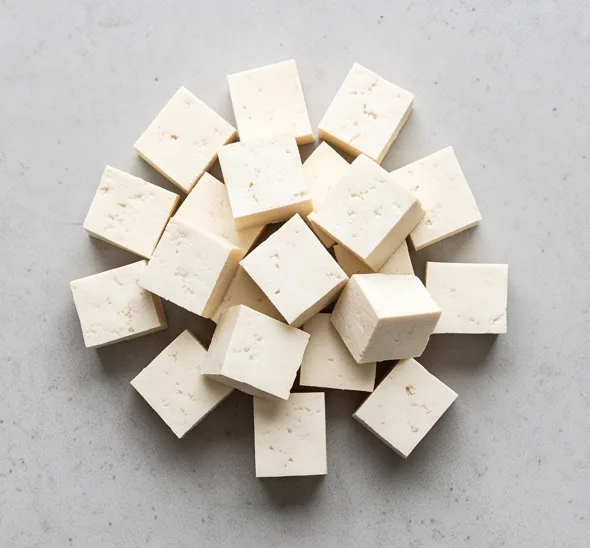
- Calcium-set tofu — 350 mg
- Supplement
- Food first, supplement to fill a gap
How much you need
US RDA; UK figures are lower
US RDA, for bone loss after menopause
Peak bone mass is built before about 25
Requirement does not rise; absorption does
Where it comes from
Sort by Calcium
Calcium per serving in plant foods, with the share of a 1000 mg daily target
- Calcium-set tofu150 g350 mg
- Tahini2 tbsp (30 g)130 mg
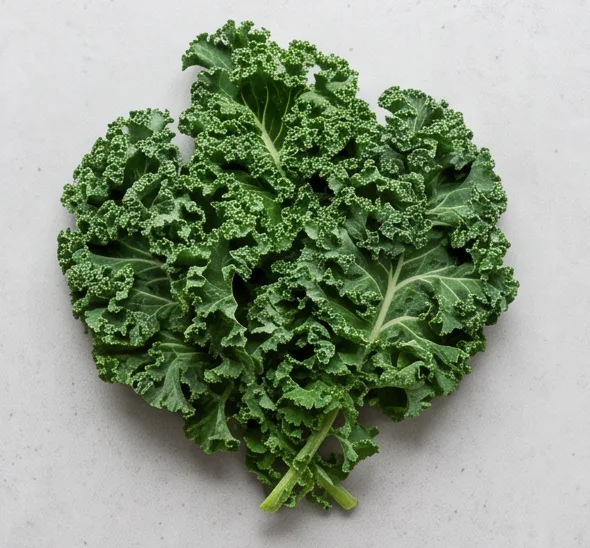
- Kale, cooked100 g72 mg
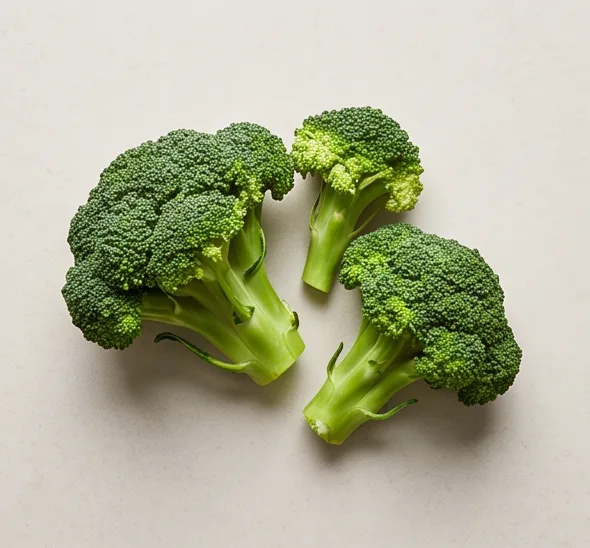
- Broccoli, cooked100 g45 mg
NIH ODS — Calcium fact sheet
| Food | Serving | mg | % of target |
|---|---|---|---|
| Calcium-set tofuIllustrative amount; calcium varies greatly by product — check the label | 150 g | 350 | 35% |
| Fortified soy milkShake the carton — calcium settles | 250 ml | 300 | 30% |
| Fortified oat or almond milkUnfortified organic versions have almost none | 250 ml | 300 | 30% |
| Fortified orange juice | 250 ml | 300 | 30% |
| Fortified plant yoghurt | 150 g (illustrative; check label) | 180 | 18% |
| White beans | 1 cup cooked | 160 | 16% |
| Chia seeds | 2 tbsp (24 g) | 150 | 15% |
| Spinach, cookedOxalates block most of it — only ~5% absorbed | 100 g | 136 | 14% |
| Tahini | 2 tbsp (30 g) | 130 | 13% |
| Bok choy, cookedOne of the best-absorbed sources | 100 g | 93 | 9% |
| Dried figs | 50 g | 80 | 8% |
| Almonds | 30 g | 76 | 8% |
| Kale, cookedLow oxalate — about 50% absorbed | 100 g | 72 | 7% |
| Broccoli, cooked | 100 g | 45 | 5% |
Getting it absorbed, not just eaten
Oxalate decides which greens count
Low-oxalate greens such as kale and bok choy have relatively well-absorbed calcium, although percentages vary by food and serving. Spinach, chard and beet greens contain oxalates that substantially reduce calcium availability.
Split the dose
Absorption efficiency falls above roughly 500 mg at once. Two or three calcium-containing meals beat one big hit or one large supplement.
Vitamin D is the gatekeeper
Adequate vitamin D supports calcium absorption. Seasonal sunlight varies with location and lifestyle; follow local vitamin D advice, such as the UK recommendation to consider 10 mcg daily in autumn and winter.
Shake fortified milks
Added calcium carbonate sinks. Pouring from an unshaken carton can leave most of the calcium in the last glass or down the drain.
Food first, supplement to fill a gap
Aim to cover calcium from fortified drinks, tofu and greens. If a food diary lands under about 700 mg most days, a modest 300–500 mg supplement with a meal closes the gap. Very high supplemental doses are not better and have been linked in some analyses to cardiovascular and kidney-stone risk.
Signs of running low
- No early symptoms — low intake is silent for years
- Reduced bone density and fractures from minor falls
- Muscle cramps and twitching in severe deficiency
- Numbness or tingling around the mouth and fingertips
- Children: poor growth and rickets when combined with low vitamin D
What to test
- Blood calcium is not useful
- The body defends serum calcium tightly by pulling from bone, so it stays normal while bones are being depleted.
- DEXA bone density scan
- The relevant measurement, usually reserved for people over 65 or with fracture risk factors.
- Three-day food diary
- The most practical check for anyone: count fortified drinks, tofu and greens.
- Vitamin D level
- Interpret calcium status together with vitamin D, since absorption depends on it.
Common mistakes
Switching to an unfortified organic milk
Many organic plant drinks are unfortified. Check calcium on the nutrition panel rather than assuming either fortification or no calcium from the organic label.
Counting spinach
It looks calcium-rich on paper and delivers roughly a twentieth of its label value.
Buying nigari tofu for calcium
Tofu set with magnesium chloride has a fraction of the calcium of tofu set with calcium sulphate. Check the ingredient list.
Questions people ask
Do vegans have weaker bones?
EPIC-Oxford’s 2020 study found higher fracture risk among vegans, partly but not fully explained by calcium, protein and BMI. Meet calcium and vitamin D needs, include enough protein and exercise, and discuss personal fracture risks with a clinician.
Is calcium from plants absorbed as well as from milk?
From low-oxalate greens like kale and bok choy, better — around 50–60% versus about 32% from cow's milk. From high-oxalate greens, much worse.
How much calcium is in fortified plant milk?
Typically 120 mg per 100 ml, matching cow's milk, so 250 ml gives about 300 mg. Unfortified versions give nearly zero.
Can I get enough calcium without fortified foods?
It is possible with calcium-set tofu, tahini, almonds, figs, white beans and daily low-oxalate greens, but it takes deliberate planning. Fortified drinks make it far easier.
Does protein leach calcium from bones?
The old acid-ash hypothesis has not held up. Higher protein intakes are associated with better, not worse, bone density when calcium intake is adequate.
References
Other nutrient guides
Data: NIH ODS — Calcium fact sheet · Free to reuse under CC BY 4.0 with a link back.
General information, not medical advice. Talk to a clinician or registered dietitian about your own situation.
ተጨማሪ ይፈልጉ
በምትክ ምግቦች፣ ንጥረ ነገሮች፣ ማጣቀሻዎች እና ምግቦች የተያያዙ ገጾች።