ब्राउन राइस (Brown rice)
ब्राउन राइस में चोकर और रोगाणु बरकरार रहते हैं, जिससे इसकी बनावट सफेद चावल की तुलना में अधिक चबानेदार होती है। दाने का आकार और किस्म इसके पकने के तरीके को प्रभावित करते हैं।
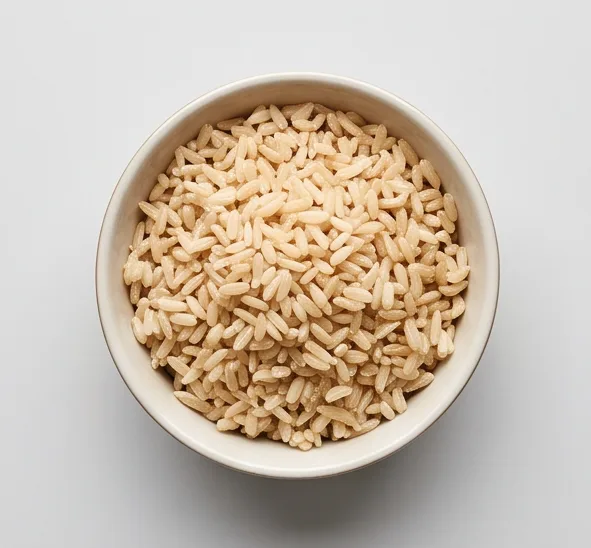
पोषण प्रति 100 g cooked
- कैलोरी
- 111
- प्रोटीन
- 2.6 g
- वसा
- 0.9 g
- कार्ब्स
- 23 g
- फाइबर
- 1.8 g
क्यों महत्वपूर्ण है
- →कार्बोहाइड्रेट का एक साबुत अनाज स्रोत
- →आंकड़े पके हुए चावल से संबंधित हैं
सामान्य उपयोग
तैयारी और बनावट
अपनी किस्म के लिए पानी के अनुपात और पकाने की विधि का पालन करें। बीन्स, टोफू या सब्जियों के साथ बाउल बेस के रूप में उपयोग करें, और बचे हुए चावल को तुरंत ठंडा करें।
उपयोग करने से पहले क्या जांचें
पके हुए चावल को सावधानीपूर्वक भंडारण की आवश्यकता होती है; इसे लंबे समय तक कमरे के तापमान पर न रहने दें। दोबारा गर्म करने से खराब तरीके से रखा गया चावल सुरक्षित नहीं हो जाता।
स्रोत और सीमाएं
पोषण संबंधी आंकड़े संदर्भ रूप का वर्णन करते हैं और अनुमानित हैं, न कि आपके खरीदे गए उत्पाद का प्रयोगशाला विश्लेषण। किस्म, पानी की मात्रा, प्रसंस्करण और संवर्धन परिणाम बदल सकते हैं। नीचे दिए गए स्रोत खाद्य संरचना, सुरक्षित प्रबंधन और पोषक तत्वों के दिशानिर्देशों की व्याख्या करते हैं; वे यह स्थापित नहीं करते कि कोई विशिष्ट खाद्य पदार्थ किसी बीमारी का इलाज करता है।
एक सामान्य दिन में ब्राउन राइस (Brown rice) कैसे फिट बैठता है
The reference portion of ब्राउन राइस (Brown rice) contains 111 kcal, 2.6 g of protein and 1.8 g of fibre per 100 g. Read these figures alongside the preparation state shown above: dry grains, cooked pulses and oils are not interchangeable portions. Multiply each figure by the weight you actually eat divided by 100. A food with little protein or fibre can still have a useful culinary role; it should not be described as a substantial source of those nutrients.
The usual uses of ब्राउन राइस (Brown rice) are ग्रेन बाउल, स्टिर-फ्राई, सुशी, खिचड़ी. Choose the portion and preparation for that role rather than assuming every ingredient should be the centre of a meal. For example, herbs season a dish, oils supply concentrated fat, and legumes can contribute protein and fibre. Check the ingredient's own nutrition values and combine it with complementary foods across the day.
प्रति 100 ग्राम पोषण, और प्रत्येक पंक्ति वास्तव में किस लिए है
| पोषक तत्व | प्रति 100 ग्राम | यह क्यों मायने रखता है |
|---|---|---|
| कैलोरी | 111 | ऊर्जा घनत्व — प्लेट के बाकी हिस्से के सापेक्ष हिस्से के आकार का आकलन करने के लिए उपयोगी। |
| प्रोटीन | 2.6 g | मांसपेशियों की मरम्मत और तृप्ति में सहायक; एक बार में नहीं, बल्कि पूरे दिन में बांटकर लें। |
| वसा | 0.9 g | वसा में घुलनशील विटामिन और स्वाद ले जाता है; वसा का प्रकार मात्रा से अधिक मायने रखता है। |
| कार्ब्स | 23 g | मुख्य ईंधन स्रोत; साबुत अनाज कार्बोहाइड्रेट फाइबर और खनिजों के साथ आता है। |
| फाइबर | 1.8 g | आंत के बैक्टीरिया को पोषण देता है, रक्त शर्करा को स्थिर करता है, और यह वह पोषक तत्व है जिसकी अधिकांश आहारों में कमी होती है। |
ब्राउन राइस (Brown rice) खरीदना और भंडारण करना
- Compare the ingredient list and price for the form you need. A plain version may be useful, but fortified products can provide nutrients that an unfortified version lacks.
- Fresh, frozen, canned and dried products differ in water content, added salt and preparation. Compare nutrition using the same preparation state and a realistic serving, not package weight alone.
- Follow the package's storage instructions. Refrigerate perishable foods promptly; a dry cupboard is not appropriate for every ingredient.
- Buy only an amount you can store safely and use before spoilage. A lower unit price does not save money if part of the food is discarded.
सामान्य गलतियाँ
- Comparing dry and cooked weights as if they were equivalent. Water absorbed during cooking changes the nutrients per 100 g.
- Assuming every plant ingredient supplies meaningful protein, iron or fibre. Use the values above and the portion actually eaten.
- Ignoring food allergies, age-appropriate textures or a medical condition when choosing a serving.
- Assuming every ingredient can be eaten raw. Follow preparation instructions, especially for dried beans and foods requiring cooking.
ब्राउन राइस (Brown rice) के साथ पकाना
सामान्य उपयोग ग्रेन बाउल, स्टिर-फ्राई, सुशी, खिचड़ी हैं। उनमें से प्रत्येक एक नुस्खा के बजाय एक टेम्पलेट है: एक बार जब आप जान जाते हैं कि ब्राउन राइस (Brown rice) गर्मी और नमक के साथ कैसे व्यवहार करता है, तो आप इसे अपने पहले से पकाए जाने वाले भोजन में शामिल कर सकते हैं, बजाय इसके कि एक नया व्यंजन सीखें।
लोगों के अक्सर पूछे जाने वाले सवाल
Is ब्राउन राइस (Brown rice) a good source of protein?
The reference value is 2.6 g per 100 g. Whether that makes a meaningful contribution depends on the serving you eat. A small amount used for seasoning or cooking fat is not equivalent to a main serving of beans or tofu. Compare the prepared portion, not just the ingredient name.
How much ब्राउन राइस (Brown rice) should I eat in a day?
There is no universal serving suitable for every ingredient or person. Match the amount to its role, energy density and your overall diet. Allergies, medical conditions, age and preparation matter. A clinician or registered dietitian can advise on individual restrictions.
Is ब्राउन राइस (Brown rice) suitable for children and older adults?
Suitability depends on the ingredient, preparation and person. Consider allergies, swallowing and chewing ability, choking hazards and medical restrictions. Whole nuts and hard pieces may need grinding or another texture adjustment. Do not assume an ingredient is safe or nutrient-dense solely because it is plant-based.
Does cooking change the nutrients in ब्राउन राइस (Brown rice)?
Cooking may reduce some heat-sensitive vitamins while improving digestibility or making a food safe to eat. Water gain or loss also changes the figures per 100 g. Compare nutrition data for the same cooked or uncooked form, and follow safe preparation instructions rather than avoiding cooking to preserve nutrients.
Is ब्राउन राइस (Brown rice) expensive?
Prices vary by region, season, brand and preparation. Compare the cost of the amount you will actually use, including waste and cooking time. An oil, spice or specialty ingredient cannot be judged as a cheap protein source when it supplies little protein in a normal serving.
और देखें
स्वैप्स, सामग्री, पोषक तत्व और भोजन से जुड़े पृष्ठ।