Quả mọng
Còn được gọi là: blueberries, raspberries, blackberries, strawberries
Các loại quả mọng bao gồm nhiều loại trái cây khác nhau với hồ sơ dinh dưỡng riêng biệt. Quả mọng tươi và đông lạnh đều dùng tốt trong cháo yến mạch, món tráng miệng và nước sốt.
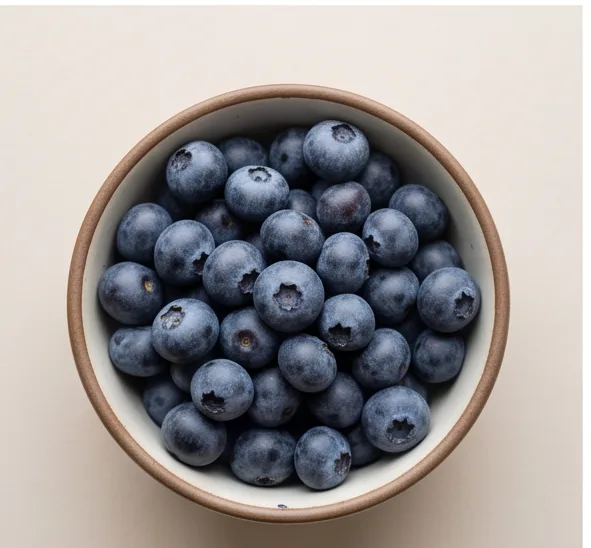
Dinh dưỡng trên 100 g raw blueberries (example)
- Calo
- 57
- Chất đạm
- 0.7 g
- Chất béo
- 0.3 g
- Carb
- 14 g
- Chất xơ
- 2.4 g
Tại sao nên dùng
- →Từng loại quả mọng khác nhau sẽ có số liệu dinh dưỡng khác nhau
- →Bảng số liệu chỉ là mức quy chiếu mang tính minh họa từ quả việt quất, không đại diện cho mọi loại quả mọng
Công dụng phổ biến
Mùa vụMùa hè
Cách chế biến và kết cấu
Rửa sạch quả tươi theo hướng dẫn và tuân thủ các chỉ dẫn nấu nướng đối với sản phẩm đông lạnh nếu có. Trộn vào cháo hoặc đun thành sốt mà không cần mặc định phải cho thêm đường.
Những điều cần lưu ý trước khi dùng
Các mối liên hệ quan sát giữa việc ăn trái cây và sức khỏe không chứng minh rằng quả mọng có thể ngăn ngừa suy giảm nhận thức hay bệnh tim mạch. Không nên áp dụng cùng một con số dinh dưỡng cho tất cả các loại quả mọng khác nhau.
Nguồn tham khảo và giới hạn
Số liệu dinh dưỡng mô tả dạng thực phẩm quy chiếu và chỉ mang tính ước tính, không phải là kết quả phân tích trong phòng thí nghiệm đối với sản phẩm bạn mua. Giống loài, hàm lượng nước, phương pháp chế biến và việc bổ sung vi chất đều có thể làm thay đổi kết quả. Các nguồn trích dẫn dưới đây giải thích thành phần thực phẩm, cách xử lý an toàn và hướng dẫn dinh dưỡng; chúng không khẳng định rằng một loại thực phẩm đơn lẻ có thể điều trị bệnh.
Cách Quả mọng phù hợp với chế độ ăn hàng ngày
The reference portion of Quả mọng contains 57 kcal, 0.7 g of protein and 2.4 g of fibre per 100 g. Read these figures alongside the preparation state shown above: dry grains, cooked pulses and oils are not interchangeable portions. Multiply each figure by the weight you actually eat divided by 100. A food with little protein or fibre can still have a useful culinary role; it should not be described as a substantial source of those nutrients.
The usual uses of Quả mọng are Ăn kèm cháo yến mạch, Sinh tố, Làm bánh, Ăn tươi. Choose the portion and preparation for that role rather than assuming every ingredient should be the centre of a meal. For example, herbs season a dish, oils supply concentrated fat, and legumes can contribute protein and fibre. Check the ingredient's own nutrition values and combine it with complementary foods across the day.
Dinh dưỡng trên 100 g, và mỗi chỉ số thực sự có tác dụng gì
| Chất dinh dưỡng | Trên 100 g | Tại sao quan trọng |
|---|---|---|
| Calo | 57 | Mật độ năng lượng — hữu ích để đánh giá khẩu phần so với phần còn lại của đĩa ăn. |
| Chất đạm | 0.7 g | Hỗ trợ phục hồi cơ bắp và cảm giác no; nên phân bổ trong ngày thay vì dồn một lần. |
| Chất béo | 0.3 g | Mang vitamin tan trong chất béo và hương vị; loại chất béo quan trọng hơn số lượng. |
| Carb | 14 g | Nguồn nhiên liệu chính; carbohydrate từ thực phẩm nguyên hạt đi kèm chất xơ và khoáng chất. |
| Chất xơ | 2.4 g | Nuôi vi khuẩn đường ruột, ổn định đường huyết và là chất dinh dưỡng mà hầu hết các chế độ ăn thiếu hụt. |
Mua và bảo quản Quả mọng
- Compare the ingredient list and price for the form you need. A plain version may be useful, but fortified products can provide nutrients that an unfortified version lacks.
- Fresh, frozen, canned and dried products differ in water content, added salt and preparation. Compare nutrition using the same preparation state and a realistic serving, not package weight alone.
- Follow the package's storage instructions. Refrigerate perishable foods promptly; a dry cupboard is not appropriate for every ingredient.
- Buy only an amount you can store safely and use before spoilage. A lower unit price does not save money if part of the food is discarded.
Sai lầm thường gặp
- Comparing dry and cooked weights as if they were equivalent. Water absorbed during cooking changes the nutrients per 100 g.
- Assuming every plant ingredient supplies meaningful protein, iron or fibre. Use the values above and the portion actually eaten.
- Ignoring food allergies, age-appropriate textures or a medical condition when choosing a serving.
- Assuming every ingredient can be eaten raw. Follow preparation instructions, especially for dried beans and foods requiring cooking.
Nấu ăn với Quả mọng
Các cách sử dụng thông thường là Ăn kèm cháo yến mạch, Sinh tố, Làm bánh, Ăn tươi. Mỗi cách đó là một khuôn mẫu hơn là công thức: một khi bạn biết Quả mọng phản ứng thế nào với nhiệt và muối, bạn có thể đưa nó vào các bữa ăn bạn đã nấu thay vì học một món mới từ đầu.
Những câu hỏi thường gặp khác
Is Quả mọng a good source of protein?
The reference value is 0.7 g per 100 g. Whether that makes a meaningful contribution depends on the serving you eat. A small amount used for seasoning or cooking fat is not equivalent to a main serving of beans or tofu. Compare the prepared portion, not just the ingredient name.
How much Quả mọng should I eat in a day?
There is no universal serving suitable for every ingredient or person. Match the amount to its role, energy density and your overall diet. Allergies, medical conditions, age and preparation matter. A clinician or registered dietitian can advise on individual restrictions.
Is Quả mọng suitable for children and older adults?
Suitability depends on the ingredient, preparation and person. Consider allergies, swallowing and chewing ability, choking hazards and medical restrictions. Whole nuts and hard pieces may need grinding or another texture adjustment. Do not assume an ingredient is safe or nutrient-dense solely because it is plant-based.
Does cooking change the nutrients in Quả mọng?
Cooking may reduce some heat-sensitive vitamins while improving digestibility or making a food safe to eat. Water gain or loss also changes the figures per 100 g. Compare nutrition data for the same cooked or uncooked form, and follow safe preparation instructions rather than avoiding cooking to preserve nutrients.
Is Quả mọng expensive?
Prices vary by region, season, brand and preparation. Compare the cost of the amount you will actually use, including waste and cooking time. An oil, spice or specialty ingredient cannot be judged as a cheap protein source when it supplies little protein in a normal serving.
Tiếp tục khám phá
Các trang liên quan đến trang này về thay thế, nguyên liệu, dưỡng chất và bữa ăn.



